Missing Something in Your Closet? How to Decide Before You Buy New

Missing Something in Your Closet? How to Decide Before You Buy New
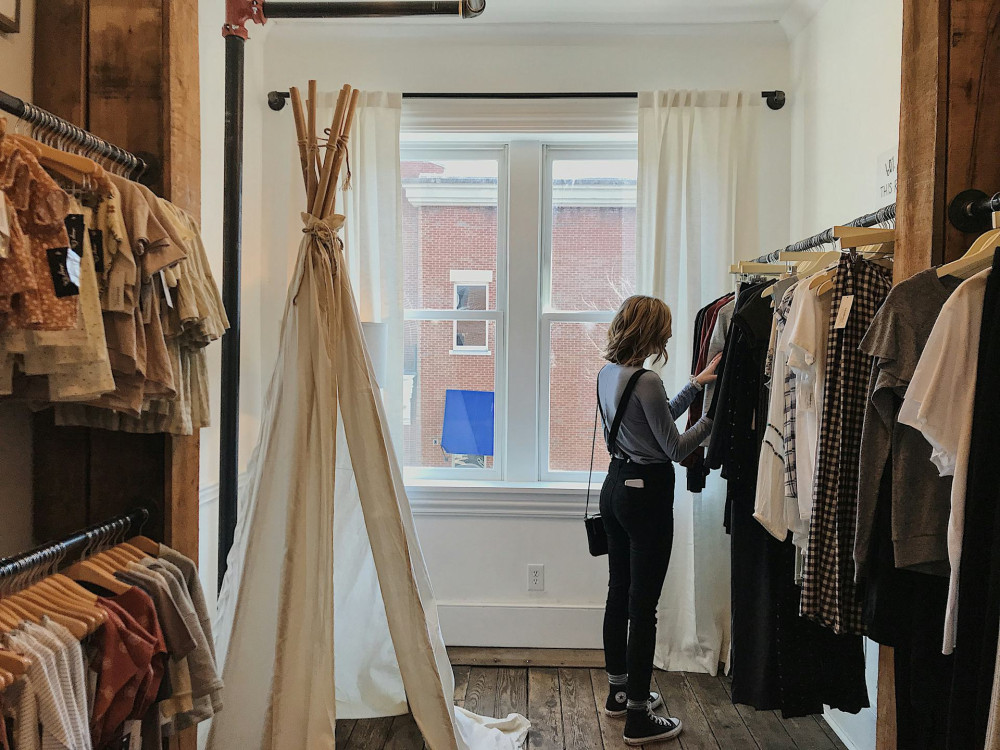
It’s easy to hit “add to cart” when a new jacket, dress, or pair of sneakers pops up in your feed. But before you fill your closet with more, it’s worth pausing to ask: Do I actually need this—or am I just craving something new? Taking a mindful approach to shopping can save money, space, and resources. Here’s how to figure out whether you’re truly missing something in your wardrobe before you buy.
Start With a Clear Picture
The first step is to see what you already own. Many people are surprised by how much clothing sits unworn in their closets.
- Take everything out—yes, everything. Lay it on your bed or floor so you can see it all at once.
- Sort by category: jeans, sweaters, dresses, outerwear, shoes, and so on.
- Try things on. You’ll get a realistic sense of what still fits, feels good, and suits your current lifestyle.
When you see your wardrobe as a whole, patterns emerge. Maybe you have five nearly identical black tops but no versatile pants for everyday wear.
Læs også:


Spot the Gaps—and the Duplicates
Once you have an overview, start identifying what’s missing. Ask yourself:
- What types of clothes do I wear most often?
- Are there situations where I regularly think, “I have nothing to wear”?
- Am I missing basics that could tie my outfits together?
Often, it’s not about buying more—it’s about buying smarter. Maybe you need a neutral pair of trousers that go with multiple tops, or a jacket that works for both work and weekends.
On the flip side, you might realize you already own several versions of the same thing, and another purchase wouldn’t add anything new.
Think Function and Quality
Before buying something new, consider its purpose. Will it be part of your daily rotation, reserved for special occasions, or just a seasonal piece?
A good rule of thumb: choose quality over quantity. A well-made pair of boots or a classic coat can last for years, while cheap impulse buys often end up forgotten after a few wears.
Pay attention to materials, too. Natural fibers like cotton, wool, and linen tend to last longer and feel better than synthetic alternatives.
Make a Wish List—and Wait
If you’re tempted to buy something, write it down instead of purchasing right away. Wait a week or two and see if you still feel the same need.
Often, the urge fades once the initial excitement passes. If the item still feels necessary after some time, it’s probably a genuine gap in your wardrobe.
Use the waiting period to explore alternatives: could you find it secondhand, borrow it from a friend, or swap for it through a local clothing exchange?
Give New Life to What You Have
Before buying new, see if you can refresh what’s already in your closet. A simple alteration, a new button, or a professional cleaning can make a big difference.
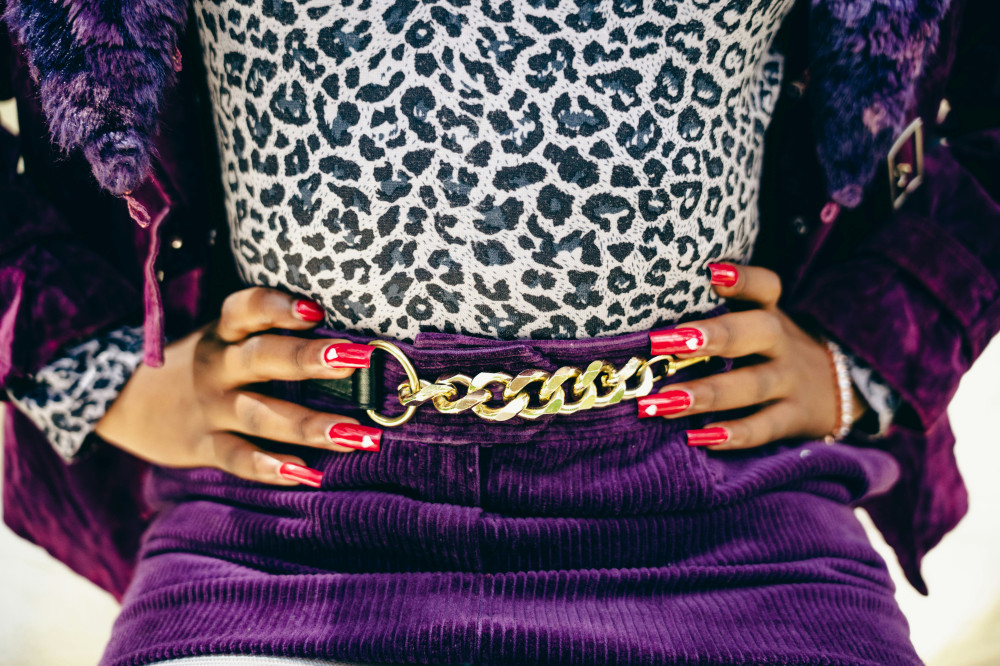
You can also restyle old pieces in new ways: wear a button-down open over a tee, add a belt to a dress, or use a scarf to change the look of an outfit.
Rediscovering your own clothes can feel almost like getting a new wardrobe—without spending a dime.
Think Sustainable—and Personal
Buying less isn’t just good for your wallet; it’s good for the planet. The fashion industry is one of the most resource-intensive in the world. By choosing fewer, better pieces, you’re contributing to a more sustainable future.
At the same time, your style becomes more personal when you shop with intention. Instead of chasing trends, you can build a wardrobe that reflects who you are—and that you actually enjoy wearing.
A Closet That Works for You
Deciding whether you’re missing something in your closet ultimately comes down to knowing yourself: your lifestyle, your style, and your real needs. Once you have that clarity, it’s easier to say no to impulse buys and yes to the pieces that truly make a difference.
A thoughtful wardrobe doesn’t have to be big—but it should work for you. And that’s what really matters.
Læs også: