Flexible Fashion Design: When Style Is Shaped by the Individual

Discover how adaptable design is redefining personal style and empowering individuality
Outfits
Outfits
2 min
Fashion is entering a new era where garments adjust to the wearer, not the other way around. Explore how flexible fashion design merges creativity, technology, and sustainability to create clothing that evolves with each person’s unique expression.
Reid Turner
Reid
Turner

Flexible Fashion Design: When Style Is Shaped by the Individual

Discover how adaptable design is redefining personal style and empowering individuality
Outfits
Outfits
2 min
Fashion is entering a new era where garments adjust to the wearer, not the other way around. Explore how flexible fashion design merges creativity, technology, and sustainability to create clothing that evolves with each person’s unique expression.
Reid Turner
Reid
Turner

Fashion has always reflected the spirit of its time—but increasingly, it also reflects the individuality of the wearer. Today, clothing design is not just about aesthetics; it’s about adaptability, comfort, and personal expression. Flexible fashion design challenges the idea of fixed sizes and seasonal collections, focusing instead on garments that can be adjusted, transformed, and shaped by the person who wears them.

From Fixed Fit to Fluid Fashion

For decades, clothing has been produced according to standardized patterns and sizes. But as American consumers demand more inclusivity, sustainability, and self-expression, designers are rethinking the way clothes are made. Flexible fashion design is about creating garments that adapt to different body types, lifestyles, and moods.

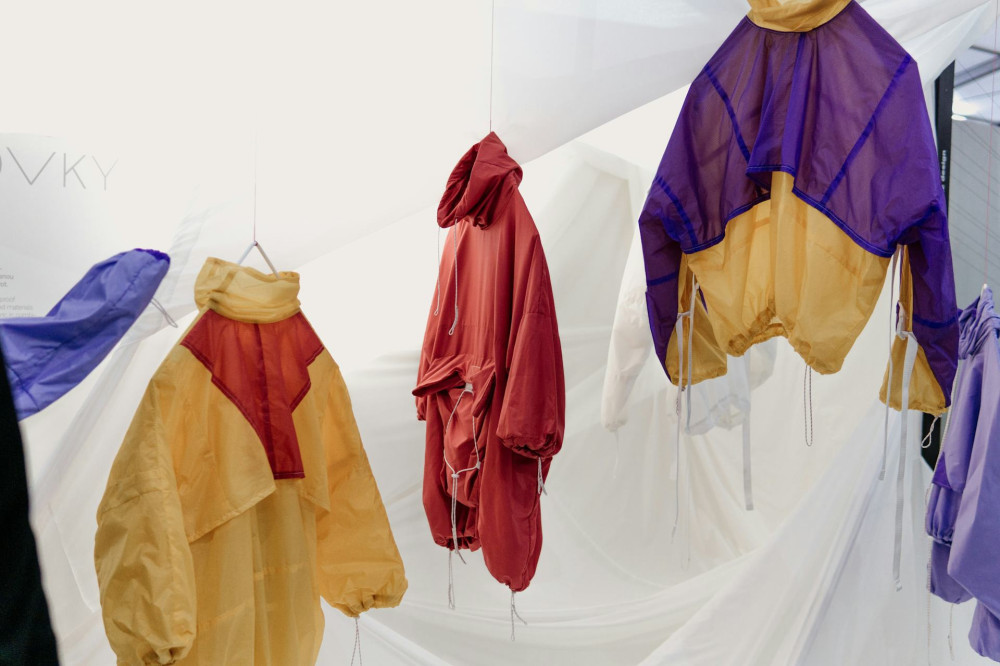
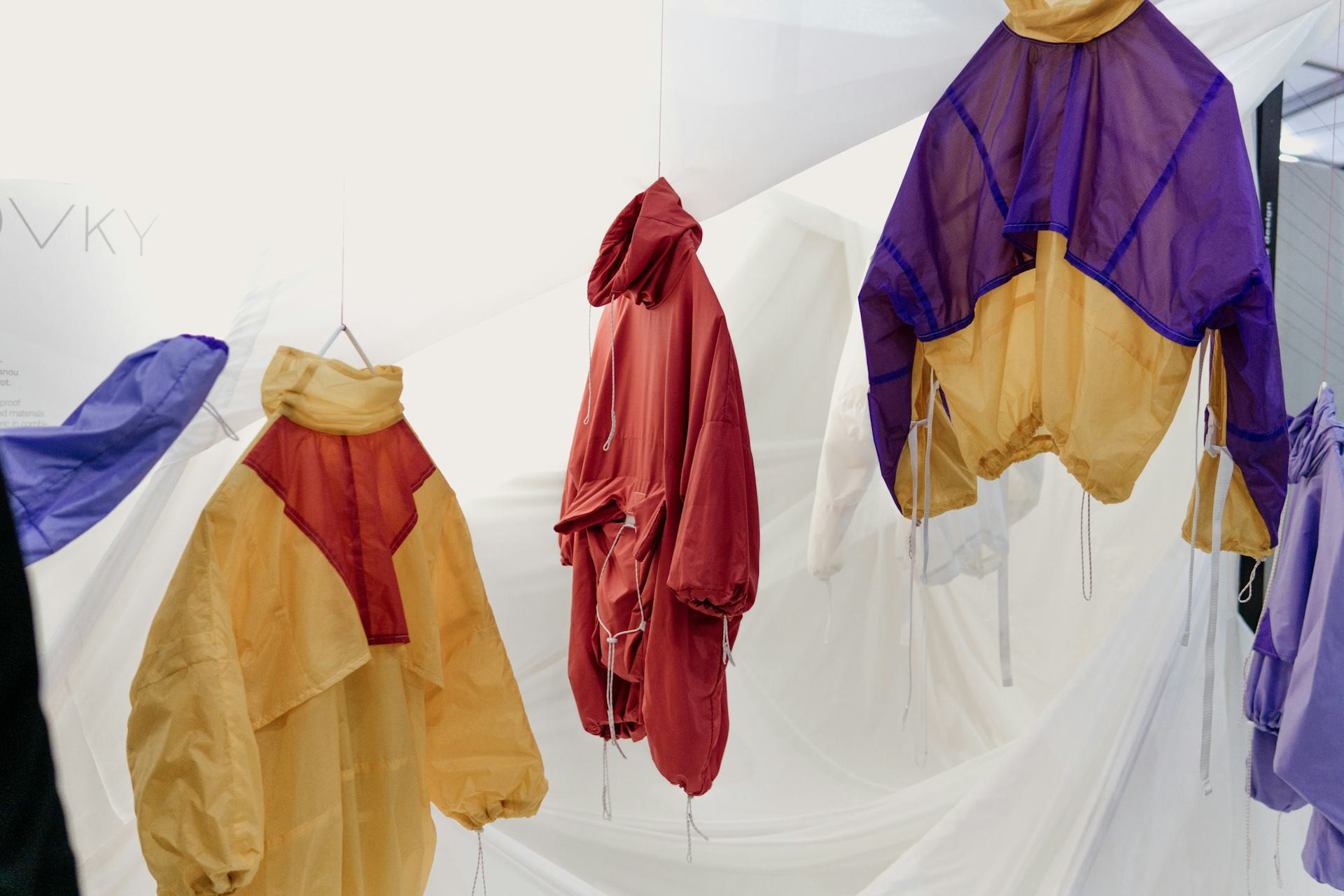
Think of jackets with detachable sleeves, dresses that can be wrapped in multiple ways, or pants with adjustable waistlines. Some designers are even experimenting with fabrics that change shape or color in response to temperature or movement. The result is clothing that doesn’t just fit—it evolves with you.

Technology as a Co-Designer

Advances in textile technology and digital production have made flexible design possible on a new scale. 3D body scanning and printing allow for custom-fit garments without the need for a traditional tailor. Digital patterns can be modified and reused, reducing waste and overproduction.

In the U.S., several innovative brands are exploring “smart textiles”—materials that respond to the environment. These fabrics can expand as the body moves or regulate temperature automatically. In this way, clothing becomes an active part of daily life rather than a static layer of fabric.

Sustainability and Longevity

Flexible fashion design isn’t just about comfort and creativity—it’s also a step toward a more sustainable fashion industry. When one piece of clothing can serve multiple purposes, its lifespan increases, and the need for constant consumption decreases. That means fewer resources used and less waste produced.

Many American designers are combining flexibility with modular design, allowing parts of a garment to be replaced or updated. A jacket can get a new look with a different collar, or a dress can shift from casual to formal with a few simple adjustments. This approach empowers consumers to refresh their wardrobes without starting from scratch each season.

When the Consumer Becomes a Co-Creator

One of the most exciting aspects of flexible fashion is how it invites consumers into the design process. More brands now offer online tools that let shoppers choose colors, cuts, and details before production begins. This not only strengthens the connection between wearer and garment but also reduces the risk of unwanted purchases.

It also redefines the traditional relationship between designer and customer. Fashion becomes something you participate in, not just something you buy. This shift encourages diversity, creativity, and inclusivity—values that resonate strongly with today’s American audience.

A New Era of Personal Style

Flexible fashion design points toward a future where style is not dictated by trends but shaped by individuals. It’s about creating clothing that can grow, change, and adapt—just like the people who wear it. Instead of forcing bodies to fit into standard measurements, garments are designed to fit real lives.

For many, this movement represents more than a practical innovation; it’s a form of empowerment and self-expression. When fashion becomes flexible, it becomes more human.

Plan Your Week: Outfits That Make Everyday Styling Easier
Simplify your mornings with outfit planning that keeps you stylish all week
Outfits
Outfits
Fashion
Style Tips
Wardrobe Planning
Everyday Outfits
Personal Style
5 min
Tired of last-minute outfit stress? Learn how to plan your weekly wardrobe so you can start each day feeling confident and put-together. From capsule combinations to smart accessories, discover how a little preparation can make everyday styling effortless.
Breanna Nelson
Breanna
Nelson
Dark Winter Colors Made Easy – How to Avoid a Heavy Look
Discover how to wear dark winter shades without losing lightness or style
Outfits
Outfits
Fashion
Winter Style
Outfit Tips
Color Coordination
Personal Style
6 min
Learn simple ways to balance deep winter tones with texture, layering, and subtle color accents. This guide shows you how to keep your outfits rich and cozy while avoiding a heavy or dull look.
James Collins
James
Collins
Materials and Comfort: How Fabric Affects the Way Clothes Feel Throughout the Day
Discover how different fabrics influence comfort, breathability, and performance in your everyday wardrobe
Outfits
Outfits
Fabrics
Clothing Comfort
Fashion Tips
Textile Materials
Everyday Wear
4 min
The fabric you wear can make all the difference in how you feel from morning to night. Learn how natural fibers, synthetics, and blends each affect comfort, movement, and durability—so you can choose clothes that truly suit your lifestyle.
Elijah Scott
Elijah
Scott
Missing Something in Your Closet? How to Decide Before You Buy New
Shop smarter and build a wardrobe that truly fits your lifestyle
Outfits
Outfits
Wardrobe
Fashion
Sustainable Shopping
Style Tips
Mindful Living
2 min
Before you click “buy,” take a moment to assess what your closet really needs. This guide helps you identify wardrobe gaps, make thoughtful choices, and embrace a more mindful, sustainable approach to fashion.
Hailey Frank
Hailey
Frank
Flexible Fashion Design: When Style Is Shaped by the Individual
Discover how adaptable design is redefining personal style and empowering individuality
Outfits
Outfits
Fashion Design
Personal Style
Sustainable Fashion
Innovation
Technology in Fashion
2 min
Fashion is entering a new era where garments adjust to the wearer, not the other way around. Explore how flexible fashion design merges creativity, technology, and sustainability to create clothing that evolves with each person’s unique expression.
Reid Turner
Reid
Turner
Practical Baby Clothes for Stroller Walks – Comfortable and Convenient for Both Child and Parent
Keep your baby cozy and content on every stroll with smart clothing choices
Child
Child
Baby Clothes
Parenting
Stroller Walks
Baby Care
Practical Tips
4 min
Discover how to dress your baby for stroller walks in every season. From layering tips to practical materials and clever details, this guide helps you find comfortable, weather-appropriate outfits that make outings enjoyable for both parent and child.
Breanna Nelson
Breanna
Nelson
Hand-Me-Down Kids’ Clothes with Joy: How to Keep That Good Feeling
Discover how to make hand-me-downs a source of joy, connection, and sustainability
Child
Child
Parenting
Sustainability
Family Life
Kids’ Clothes
Eco-Friendly Living
4 min
Hand-me-down kids’ clothes can be more than just practical — they can carry stories, love, and a sense of community. Learn how to give and receive secondhand clothes with care, gratitude, and joy, keeping the experience meaningful for both giver and receiver.
James Collins
James
Collins
Small Design Choices, Big Comfort: Details That Make Kids’ Clothes More Comfortable
Discover how thoughtful design details can make children’s clothes softer, easier to wear, and more fun for active days.
Child
Child
Kids Clothing
Comfort
Design
Parenting
Sustainable Fashion
7 min
Comfort in kids’ clothing goes beyond fabric choice. This article explores the small but smart design features—like seams, waistbands, and closures—that help children move freely, dress independently, and feel good all day long.
Elijah Scott
Elijah
Scott