Small Design Choices, Big Comfort: Details That Make Kids’ Clothes More Comfortable

Small Design Choices, Big Comfort: Details That Make Kids’ Clothes More Comfortable
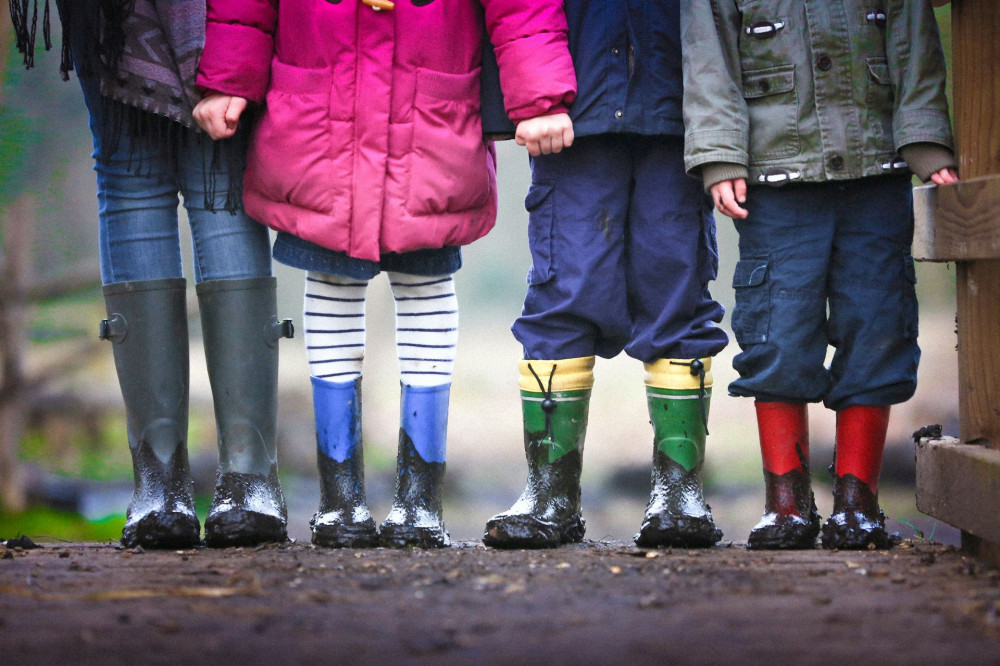
When kids play, climb, run, and explore, their clothes need to keep up—without pinching, itching, or restricting movement. Comfort in children’s clothing isn’t just about soft fabrics; it’s about the thoughtful design details that make everyday wear easier and more enjoyable. From seams and waistbands to fit and fasteners, small choices can make a big difference in how kids feel throughout the day.
Soft Fabrics and Breathability
The fabric is the foundation of comfort. Children’s skin is more sensitive than adults’, so the materials that touch it matter. Natural fibers like cotton, bamboo, and merino wool are popular because they’re breathable and help regulate body temperature.
- Cotton is durable, easy to wash, and gentle on the skin, though it can feel heavy when wet.
- Bamboo is exceptionally soft and naturally moisture-wicking, making it great for active kids.
- Merino wool is ideal for layering—it keeps warmth in without overheating and resists odors naturally.
Many American parents are also paying attention to how fabrics are made. Organic textiles and certifications like GOTS (Global Organic Textile Standard) or OEKO-TEX® help ensure that clothes are free from harsh chemicals and dyes that can irritate sensitive skin.
Seams, Tags, and Waistbands – The Hidden Comfort Factors
Even the softest fabric can feel uncomfortable if the seams are rough or the tags scratch. That’s why many brands now use flat seams or reverse stitching to prevent chafing.
Tags are another common source of irritation. Instead of sewn-in labels, many children’s clothes now feature printed tags directly on the fabric—no more itchy necks or complaints about “the scratchy part.”
Waistbands and cuffs should stretch easily but not dig in. Adjustable waistbands with hidden buttons or soft ribbed edges allow clothes to grow with the child while staying comfortable and secure.
A Fit That Moves With Them
Kids rarely sit still, so their clothes need to move with them. A good fit isn’t just about size—it’s about freedom of movement.
Pants with extra room at the knees, raglan sleeves on tops, and fabrics with a bit of stretch all help kids crawl, jump, and play without feeling restricted. Clothes that are too loose can bunch up or get in the way, while overly tight garments can limit movement. The best designs strike a balance—snug enough to stay in place, flexible enough to move freely.
Easy Closures for Independent Dressing
For little hands, simple closures make a big difference. Zippers with large pulls, snap buttons instead of traditional buttons, and Velcro straps on shoes and jackets help kids dress themselves with confidence.
For babies and toddlers, convenience during diaper changes is key. Snap openings along the inseam or fold-over designs make changes quicker and less stressful for both parent and child.
As children grow, being able to dress themselves fosters independence—and that sense of accomplishment is part of comfort, too.
Layering for Everyday Flexibility
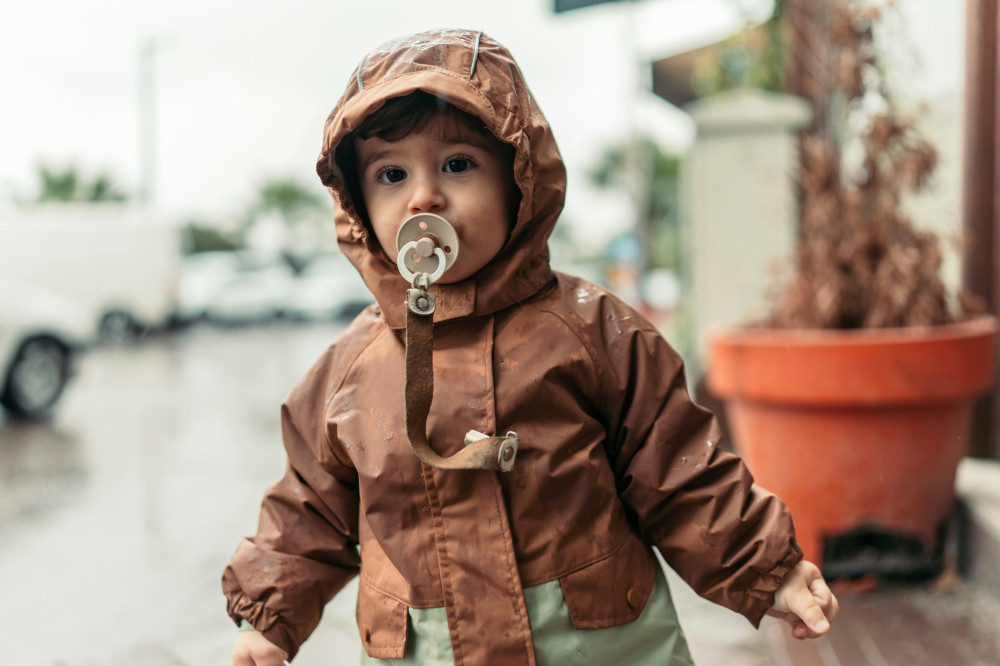
From chilly mornings to warm afternoons, American weather can change quickly. Layering helps kids stay comfortable no matter the temperature. A soft base layer in cotton or bamboo, a cozy mid-layer like fleece, and a weather-resistant outer layer create a system that’s easy to adjust throughout the day.
The key is to keep layers lightweight and flexible so they move together without feeling bulky. Breathable materials also help prevent overheating during active play.
Læs også:
Thoughtful Design for Kids and the Planet
Comfort isn’t just physical—it’s also about peace of mind. More families are choosing clothes made with sustainability in mind: responsibly sourced fabrics, ethical production, and durable construction that allows garments to be passed down or resold.
Small design choices—like reinforced knees and elbows, fade-resistant colors, and sturdy stitching—help clothes last longer and stay comfortable wash after wash.
Comfort Is More Than Softness
What truly makes children’s clothing comfortable is the combination of many small, thoughtful details: the right materials, smooth seams, flexible fits, and easy closures. When design takes into account how kids move, play, and live, clothes become more than just something to wear—they become part of their everyday adventures.
For parents, paying attention to these little details can make a big difference. After all, it’s the small design choices that create the biggest comfort.
Læs også: