Is Your Space Working Optimally? Five Signs Your Interior Needs an Adjustment

Is Your Space Working Optimally? Five Signs Your Interior Needs an Adjustment
A home should do more than look beautiful—it should support your daily life. When your space works well, you feel calm, focused, and comfortable. But even small imbalances can make a room feel cluttered, uninspiring, or impractical. Maybe it’s not you who’s tired of your home—it’s your home that needs a little fine-tuning. Here are five signs your interior might need an adjustment—and how to bring it back into balance.
1. You’re Not Using the Space as Intended
One of the clearest signs that your layout isn’t working is when you don’t use a room the way you planned. Maybe you always end up eating at the kitchen counter instead of the dining table, or you avoid your living room because the lighting feels harsh or the furniture arrangement feels awkward.
Ask yourself why you’re not drawn to the space. Is it uncomfortable, inconvenient, or simply uninviting? Often, small changes—like repositioning furniture, adjusting lighting, or improving access to natural light—can make a big difference.
2. You Have Too Much (or Too Little) Stuff
A room can quickly lose its balance if it’s overcrowded—or too sparse. Too many pieces of furniture or decorative items can create visual noise and make it hard to relax. On the other hand, a space that’s too empty can feel cold and impersonal.
Take a fresh look at your room: What do you actually use? What’s there just out of habit? Decluttering or adding a few intentional pieces can breathe new life into your space and make it more functional.
Læs også:
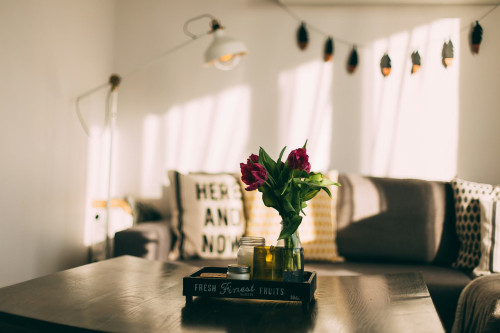
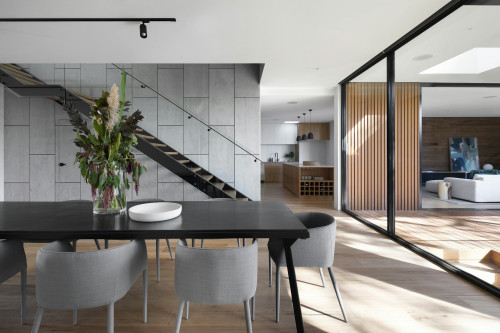
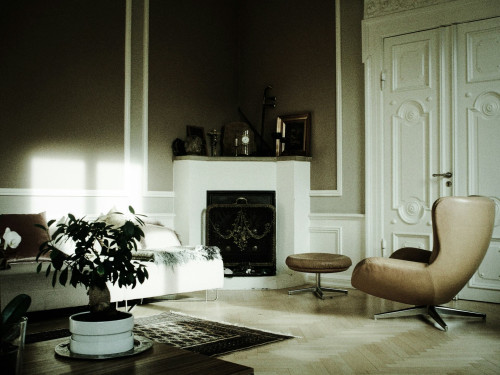
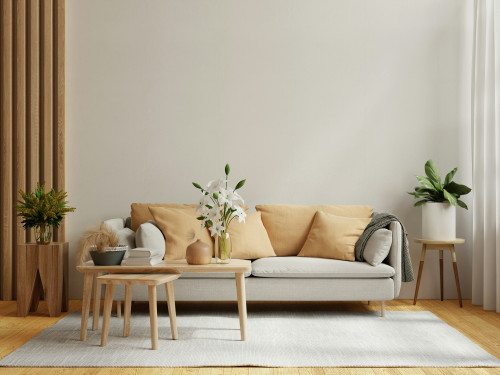
3. The Colors and Materials Don’t Flow
Color and texture have a huge impact on how a room feels. If something feels “off,” it might be because the colors clash or the materials don’t complement each other. A mix of too many wood tones, fabrics, or finishes can make a space feel chaotic, even if it’s tidy.
Choose a cohesive color palette and repeat materials throughout the room—for example, the same wood tone in both your coffee table and shelving, or textiles in related shades. This creates harmony and flow without making the space feel monotonous.
4. The Room Lacks Functional Zones
A well-designed space supports the activities that happen there. If you’re constantly moving things around to make room, or if you don’t have a clear place to set things down, your zones might not be defined enough.
Think in terms of function: Where do you read, work, eat, or relax? Create small zones that fit each purpose—with appropriate lighting, furniture, and storage. This makes the space more intuitive to use and helps your daily routines feel smoother.
5. You Don’t Feel Quite at Ease
The most important sign of all is how you feel. If you often experience restlessness, distraction, or discomfort in a room, it’s worth paying attention. Our surroundings affect us more than we realize, and a space that doesn’t feel right can quietly drain your energy.
Tune in to what’s bothering you: Is it the lighting, the acoustics, the colors, or the furniture placement? Sometimes, a few small tweaks—a new lamp, a rug, a plant, or a rearranged layout—can restore balance and comfort.
Let Your Home Evolve with You
A home isn’t static. Your needs, habits, and lifestyle change over time—and your interior should evolve too. Instead of treating it as a one-time project, think of it as an ongoing process. Rearrange, experiment, and stay curious about how you actually use your space.
When your home works well, you’ll feel it immediately: you move more naturally, focus more easily, and feel truly at home in your own space.
Læs også: