Colors in Decor: Create Atmosphere in a Room Without Repainting

Colors in Decor: Create Atmosphere in a Room Without Repainting
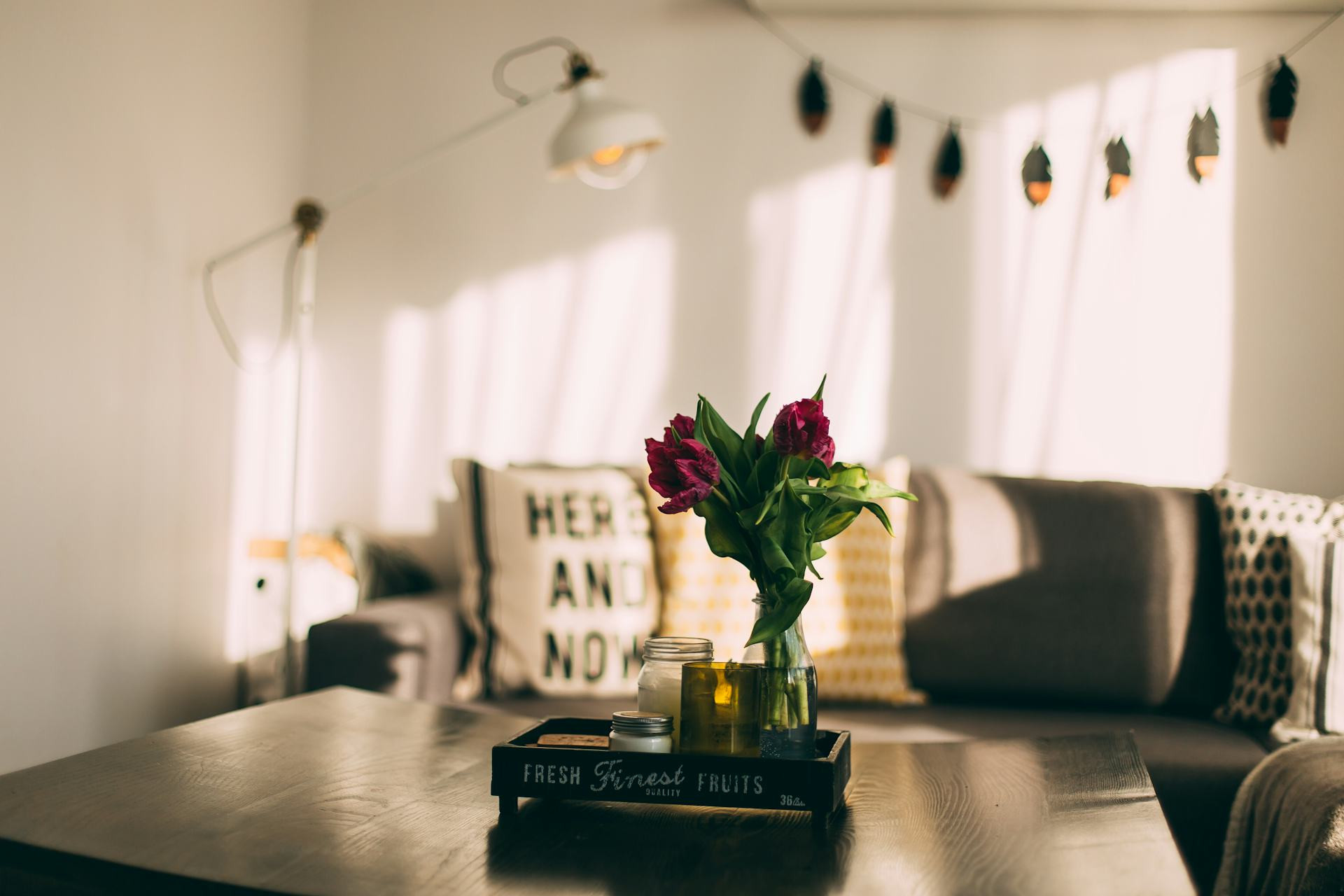
Color has a powerful influence on how we experience a space. It shapes our mood, energy, and even how large or cozy a room feels. But you don’t need to pick up a paintbrush to transform your home. With thoughtful choices in décor, textiles, and lighting, you can completely change the atmosphere—no repainting required.
Start with a Color Plan
Before you begin, think about the feeling you want to create. Do you want your space to feel calm and balanced, or lively and energizing?
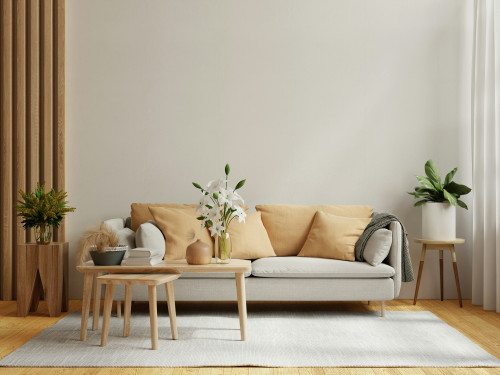
- Soft neutrals like beige, gray, sage, and dusty blue create a peaceful, relaxed vibe.
- Warm tones such as terracotta, mustard, and rust bring coziness and intimacy.
- Cool shades like mint, lavender, and icy blue add freshness and lightness.
Once you’ve chosen your base mood, use these colors in textiles, artwork, plants, and accessories to tie the room together.
Textiles as Color Carriers
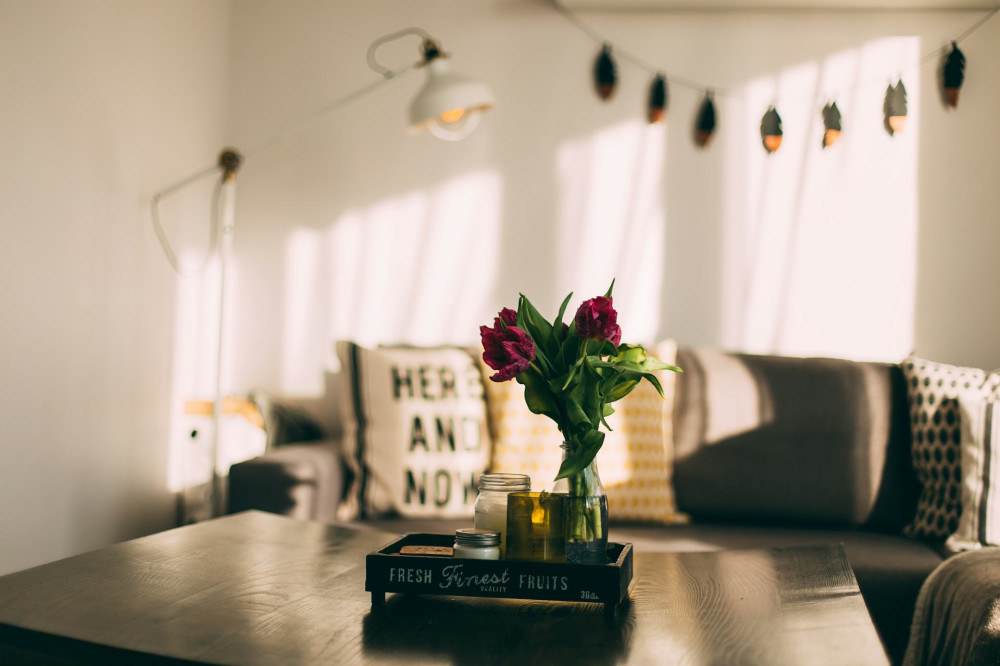
Throw pillows, blankets, curtains, and rugs are some of the easiest ways to introduce color. They can be swapped out seasonally or whenever you crave a change, and they add both visual and tactile warmth.
Try mixing textures—wool, linen, velvet—in related hues for a harmonious look. If you prefer more energy, combine patterns and contrasting colors, but keep one main color consistent to avoid visual clutter.
A large area rug in a bold shade can anchor the room and visually connect your furniture.
Art and Wall Decor
Even if you’re not painting the walls, you can still use them creatively. Artwork, prints, and wall hangings are perfect for adding color and personality.
A single large piece with vibrant tones can serve as a focal point, while a gallery wall of smaller works in varied hues adds movement and interest. Experiment with different frame materials—wood, metal, or colored acrylic—to emphasize your style.
For a more subtle look, choose art in muted tones that complement your existing palette.
Greenery as Natural Color
Plants are one of the simplest and most effective ways to bring color and life into a room. Their green tones add calm and freshness, while their shapes and textures create visual variety.
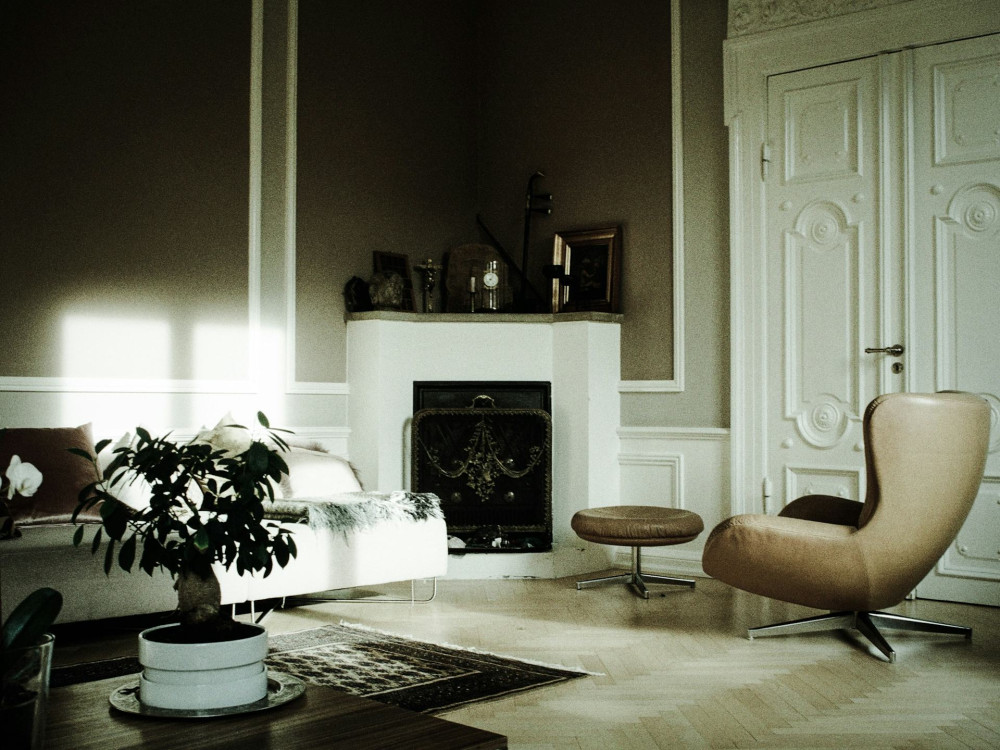
Large plants like fiddle-leaf figs or monsteras can act as natural sculptures, while smaller succulents or herbs fit perfectly on shelves and windowsills. Use colorful pots or woven baskets to highlight your chosen color scheme.
Læs også:
The Role of Lighting
Lighting dramatically affects how colors appear. Warm light enhances golden and red tones, while cool light brings out blues and grays.
Consider layering your lighting with lamps of different brightness levels and shades made of colored glass or fabric. A lamp with a soft amber or blush shade can cast a cozy glow—ideal for living rooms or bedrooms.
Small Details, Big Impact
Sometimes it’s the little things that make the biggest difference. Swap out candleholders, vases, or book covers on your shelves. Add colorful kitchen towels or a new table runner. Even a bright tray or set of napkins can shift the mood of a space.
If you like to experiment, try creating color zones—for example, a reading nook in warm tones and a workspace in cooler hues. This adds variety and makes your home feel more dynamic.
Create Balance and Cohesion
Working with color is all about balance. Too many bold shades can feel overwhelming, while too few can make a room seem flat. A good rule of thumb is to choose one dominant color, one secondary color, and one accent color used sparingly.
Repeat these colors throughout the space—in textiles, décor, and lighting—to create a sense of unity and flow, even when mixing different elements.
A Fresh Look Without the Paint
Transforming the mood of a room doesn’t have to be expensive or time-consuming. With intentional use of color in décor, fabrics, and lighting, you can give your space a whole new feel—without painting a single wall. The key is to experiment and find the combination that feels right for you and your home.
Læs også: