From the Living Room to the Rest of Your Home – How to Create a Seamless Flow

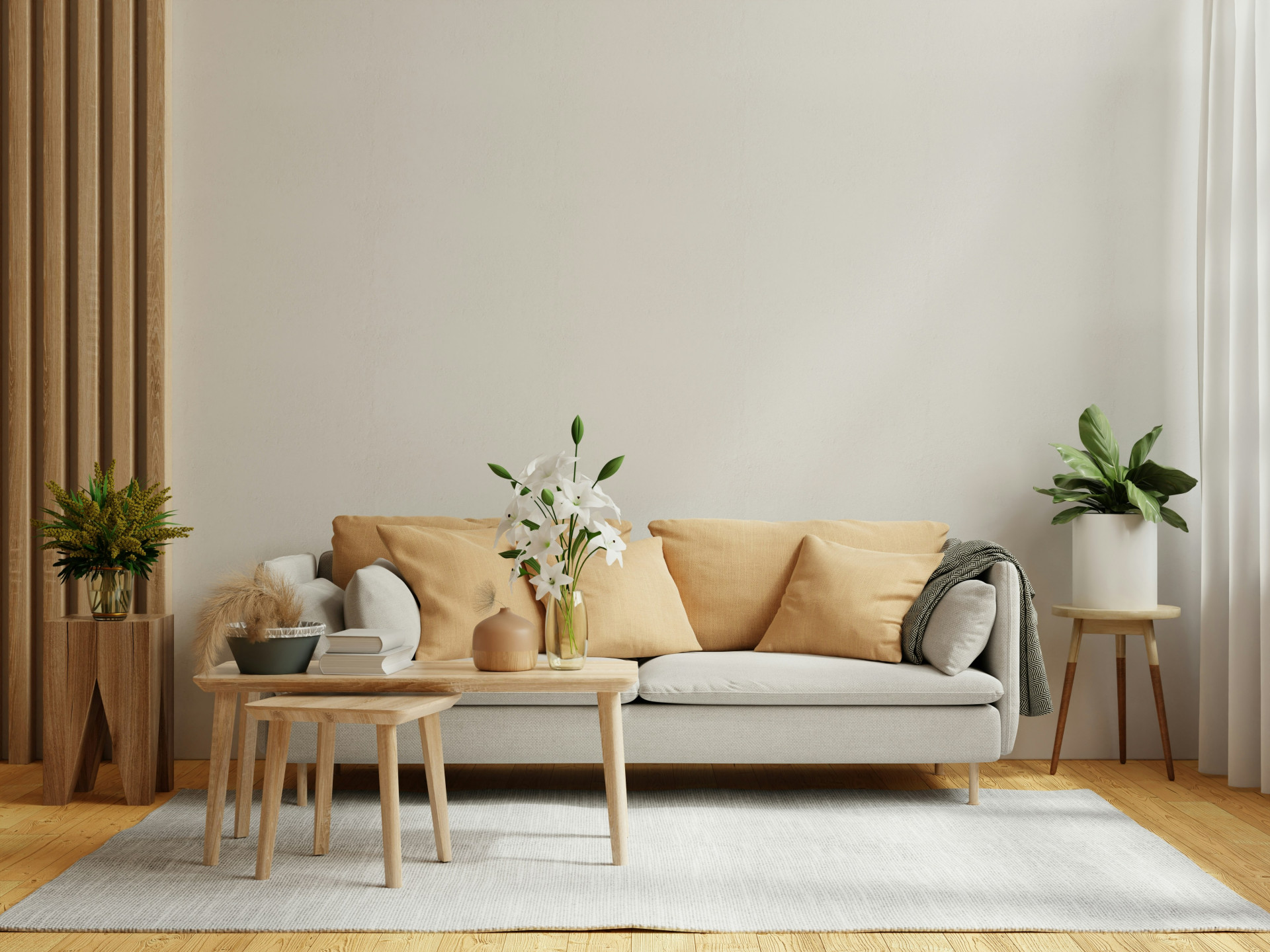
From the Living Room to the Rest of Your Home – How to Create a Seamless Flow
The living room is often the heart of the home – the place where we gather, relax, and recharge. But how do you make sure the atmosphere and style of your living room flow naturally into the rest of your home? A seamless transition between spaces creates calm, cohesion, and a sense of unity. Here’s how to design a home where every room feels connected – without making them all look the same.
Start with a Unifying Vision
A cohesive home begins with a clear idea of what ties your spaces together. It could be a color palette, a material, a mood, or a particular design style.
- Colors: Choose three or four main colors that appear throughout your home – in wall paint, textiles, or accents. That doesn’t mean every room should be painted the same, but the colors should complement each other.
- Materials: Repeat materials like wood, metal, or stone in different rooms to create a sense of continuity.
- Mood: Think about the feeling you want your home to evoke – calm, cozy, modern, or playful – and let that guide your choices.
Once you’ve defined your unifying thread, it becomes much easier to make decisions about furniture, lighting, and décor.
Create Flow with Lighting and Textiles
Lighting and textiles are two of the most effective tools for creating harmony between rooms.
- Lighting: Use fixtures that share a similar style or material, but vary in size and function. A pendant light in the living room might have a smaller table-lamp counterpart in the hallway.
- Curtains and Rugs: Choose fabrics that coordinate in tone or texture. If you have light linen curtains in the living room, try the same fabric in a different shade in the bedroom.
- Transitions: In open floor plans, use area rugs to define zones without breaking the visual flow.
Small repetitions in texture and light create a natural rhythm that feels balanced and inviting.
Think About Flow – Visually and Practically
A home works best when it not only looks cohesive but also feels easy to move through. Consider how you transition from one room to another and how your furniture layout supports that movement.
- Keep pathways clear – avoid large pieces that block sightlines or movement.
- Use mirrors or open shelving to create visual connections between spaces.
- Repeat shapes – round tables, curved lamps, or square frames – to establish a recognizable flow.
When function and aesthetics align, your home feels more harmonious and comfortable.
Læs også:
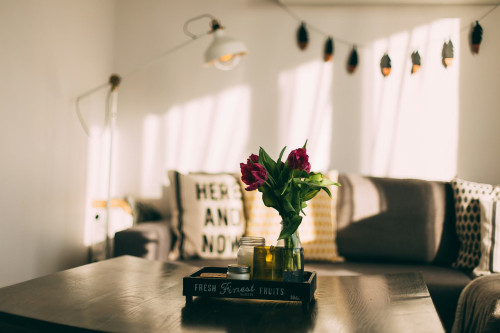
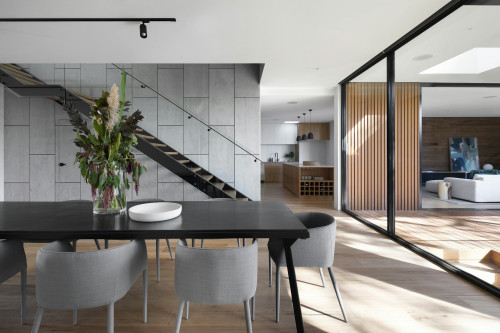
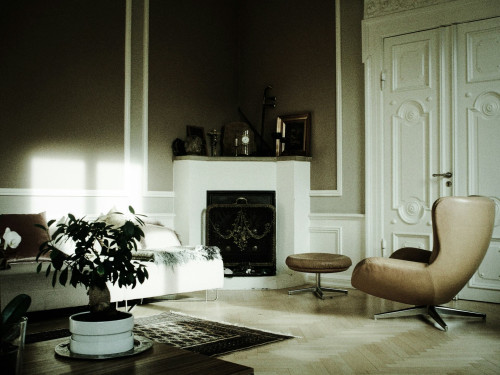
Give Each Room Its Own Personality
While cohesion is key, each room should still have its own character. This is where you can play with variations within your overall style.
- In the living room, you might use warm tones and soft textures, while the kitchen feels fresh with lighter colors and sleek surfaces.
- In the bedroom, tone down contrasts and create calm with muted hues.
- Use art, plants, and personal items to bring life to each space – just keep them within your home’s shared aesthetic.
It’s all about balance: consistency brings peace, but variation adds personality.
Let Nature Tie It All Together
Natural elements like plants, organic materials, and daylight are universal connectors. A touch of greenery in every room adds life and continuity, while wood, stone, and natural fabrics bring warmth and authenticity.
If possible, make the most of your home’s natural light and views. A glimpse of the backyard or a balcony garden can serve as a visual link between indoors and outdoors – and between rooms.
A Home That Feels Whole
Creating a seamless home isn’t about following a strict design rulebook – it’s about crafting a space that feels natural to you. When colors, materials, and mood align, a quiet sense of harmony emerges – something you can feel as much as you can see.
Start in the living room, but let the idea of connection extend throughout your home. That’s how your house becomes more than a collection of rooms – it becomes a unified, welcoming space that truly feels like home.
Læs også: