The Small Jacket Wardrobe: Fewer Jackets, Greater Versatility


The Small Jacket Wardrobe: Fewer Jackets, Greater Versatility
Most of us own more jackets than we actually wear. A heavy winter coat, a rain jacket, a denim jacket, a blazer—and maybe a few that rarely leave the closet. But what if fewer jackets could actually make your wardrobe more versatile? A small, well-curated jacket collection can make it easier to dress well year-round—without cluttering your entryway or draining your budget.
Why Fewer Jackets Can Be an Advantage
A smaller wardrobe isn’t about sacrifice—it’s about intention. When you choose jackets that work across multiple settings, you get more use out of each piece. That saves space, time, and resources.
- Less clutter: Fewer jackets mean fewer decisions and a more organized closet.
- Better quality: Buying fewer allows you to invest in pieces that last longer.
- More style: A cohesive, simple wardrobe makes it easier to find a jacket that complements the rest of your outfit.
The key is to focus on what you truly need, not what you think you should own.
The Three Essential Jackets for Most Climates
While your local weather and lifestyle matter, most Americans can get through the year with three types of jackets that cover nearly every situation.
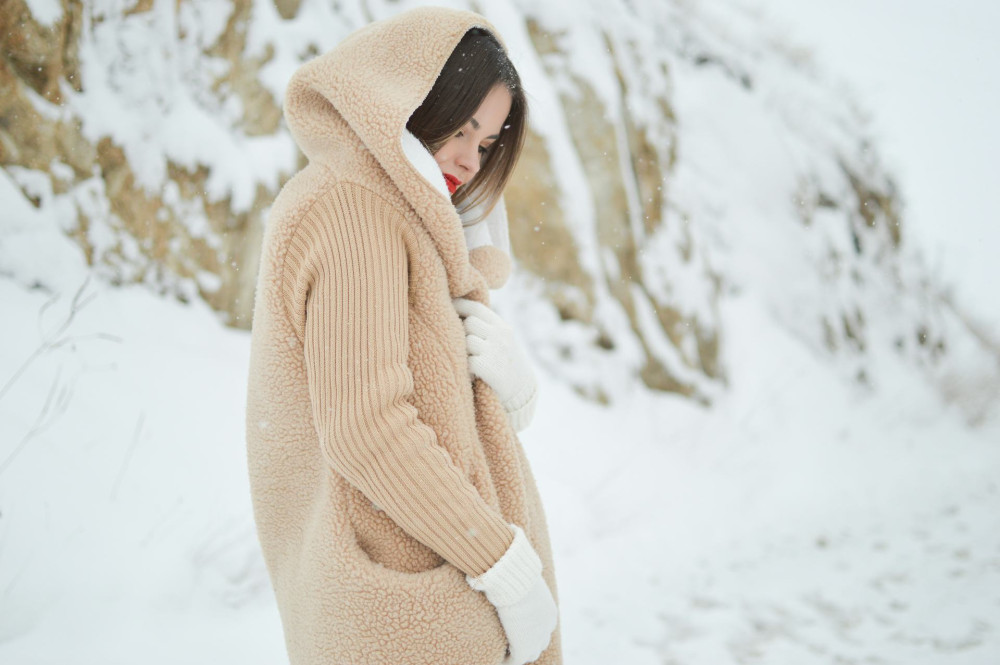
- A warm winter coat – Choose one that works for both everyday wear and more polished occasions. A classic wool coat or a sleek down parka can both do the job.
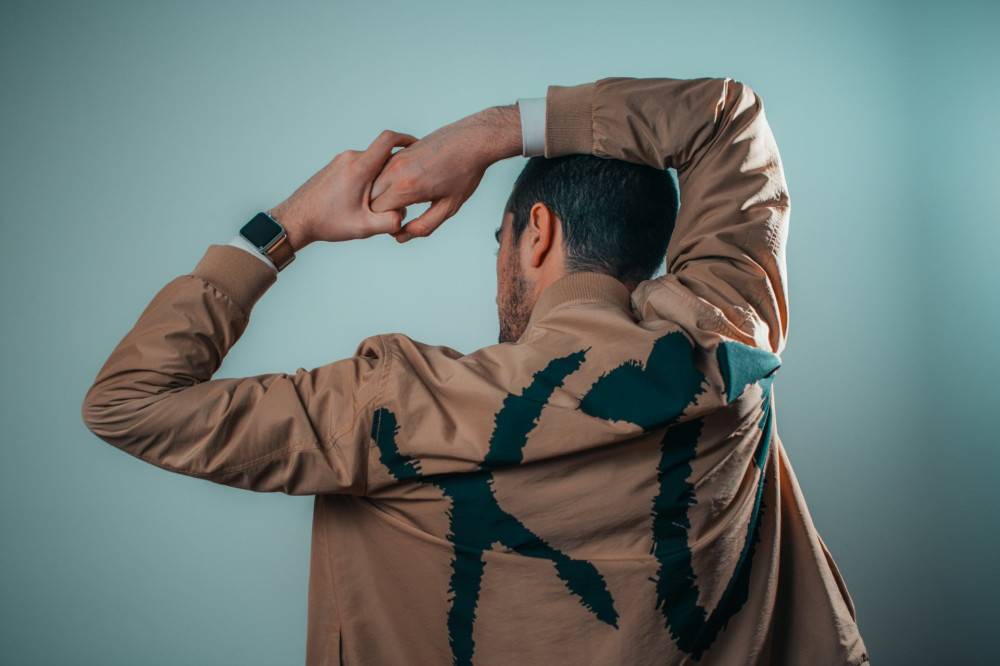
- A lightweight transitional jacket – Ideal for spring and fall. A denim jacket, a bomber, or a trench coat can be dressed up or down.
- A rain or shell jacket – Essential for unpredictable weather. It can serve as a light layer in summer or as an outer shell over a sweater in colder months.
With these three as your foundation, you’ll be ready for everything from a morning commute to a weekend getaway.
Læs også:



How to Choose the Right Jackets
When building your small jacket wardrobe, think in terms of function, style, and durability.
- Material: Natural fibers like wool and cotton are great for classic styles, while technical fabrics excel at keeping out wind and rain.
- Color: Neutral tones—navy, gray, black, or olive—are easy to mix and match with the rest of your wardrobe.
- Fit: A good fit ensures versatility. Try your jacket on with a sweater underneath to make sure it works for layering.
- Care: Check how each jacket needs to be cleaned. The easier it is to maintain, the more often you’ll wear it.
It’s worth spending a little extra time finding the right pieces—they’ll serve you well for years.
Mix and Adapt Through the Seasons
A flexible wardrobe is all about layering. A thin down vest under your transitional jacket can make it winter-ready, while a rain shell over a wool coat can handle sudden downpours.
Accessories can also transform your look. A colorful scarf can refresh a neutral jacket, and a pair of leather gloves can elevate your outfit instantly.
A Sustainable Approach to Dressing
Owning fewer jackets is also a step toward a more sustainable lifestyle. The fashion industry is resource-intensive, and buying less—but better—reduces your environmental impact.
Consider shopping secondhand, swapping with friends, or repairing a jacket that’s showing wear. A good tailor can extend a jacket’s life significantly—and that’s both eco-friendly and cost-effective.
Fewer Jackets, More Freedom
In the end, a small jacket wardrobe is about freedom—freedom from overstuffed closets, impulse buys, and the feeling of never having “the right jacket.” When you own fewer but better-chosen pieces, dressing well becomes simpler, no matter the weather or occasion.
It’s not the number of jackets that defines your style, but how thoughtfully you choose them.
Læs også: