The Evolution of the Sports Bra: From Simple Beginnings to Technical Perfection


The Evolution of the Sports Bra: From Simple Beginnings to Technical Perfection
Today, the sports bra is a staple in every athlete’s wardrobe—whether for running, yoga, or strength training. But it wasn’t always that way. What began as a homemade solution in the late 1970s has evolved into a piece of high-performance equipment that blends science, comfort, and style. Here’s how the sports bra transformed from a simple idea into a symbol of empowerment and innovation.
The First Steps – A Need Discovered
For decades, women had to exercise in regular bras that were never designed for movement or sweat. The result was discomfort, pain, and limited freedom. That changed in 1977, when two American women, Lisa Lindahl and Polly Smith, created the first true sports bra. Using two men’s jockstraps sewn together, they invented what became known as the Jogbra—a revolutionary product that gave women the support they needed to move freely.
As more women began participating in sports and fitness during the 1980s, demand for the sports bra grew rapidly. It became more than just a functional garment—it was a symbol of independence and equality, allowing women to train and compete without physical limitations.
The 1990s: From Function to Fashion
By the 1990s, the sports bra had moved beyond the gym and into mainstream fashion. The fitness boom swept across the United States, and the sports bra became part of the look—worn visibly during workouts or even as casual wear. Brands began experimenting with new materials like microfiber and spandex, making bras lighter, more breathable, and quick-drying.
Designs also became more diverse. Instead of plain, utilitarian models, women could now choose from a range of colors, patterns, and cuts that reflected personal style and different types of activity. The sports bra was no longer just about support—it was about self-expression.
The 2000s: Science and Technology Take Over
With the new millennium came a more scientific approach to sportswear design. Researchers began studying how breasts move during physical activity and how best to minimize strain. This led to the development of two main types of sports bras: compression bras, which hold the breasts close to the body, and encapsulation bras, which support each breast individually. Many modern designs combine both methods for maximum comfort and stability, especially for high-impact sports like running or basketball.
Manufacturers also introduced seamless construction and laser-cut edges to reduce chafing and irritation. These innovations made sports bras more comfortable and durable than ever before.
Læs også:



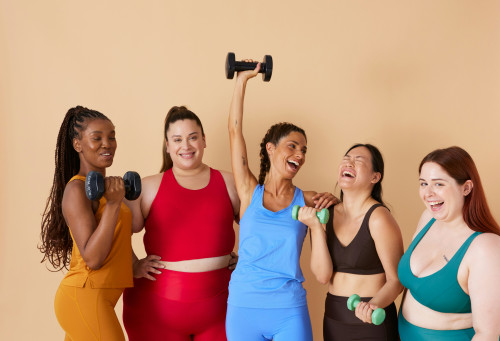
The 2010s and Beyond: Sustainability and Personalization
In recent years, the evolution of the sports bra has taken another leap forward. The focus has expanded from performance to sustainability, inclusivity, and personalization. Many brands now use recycled materials—such as polyester made from plastic bottles—or organic cotton to reduce environmental impact. At the same time, the range of sizes and fits has grown, reflecting a broader understanding of body diversity.
Technology has also entered the picture. Some sports bras now feature built-in sensors that track heart rate or movement, while others are made using 3D knitting techniques that adapt to the body’s shape without seams or elastic bands. The result is a garment that feels custom-made for every athlete.
An Essential Part of Every Athlete’s Gear
Today, the sports bra is far more than an undergarment—it’s an essential piece of athletic equipment. It protects, supports, and empowers women to perform their best, no matter their sport or skill level. From the improvised Jogbra of 1977 to today’s high-tech, eco-friendly designs, the sports bra has undergone a remarkable transformation.
And while materials and technology will continue to evolve, the purpose remains the same as it was from the start: to give women the freedom to move with comfort, confidence, and strength.
Læs også: