Compression Wear: Support, Performance, and Body Awareness in One


Discover how compression wear enhances performance, recovery, and body awareness
Sport
Sport
2 min
From professional athletes to everyday fitness enthusiasts, compression wear has become a go-to choice for improved support and comfort. Learn what science says about its benefits, how it affects your training and recovery, and how to choose the right gear for your needs.
Elijah Scott
Elijah
Scott

Compression Wear: Support, Performance, and Body Awareness in One

Discover how compression wear enhances performance, recovery, and body awareness
Sport
Sport
2 min
From professional athletes to everyday fitness enthusiasts, compression wear has become a go-to choice for improved support and comfort. Learn what science says about its benefits, how it affects your training and recovery, and how to choose the right gear for your needs.
Elijah Scott
Elijah
Scott

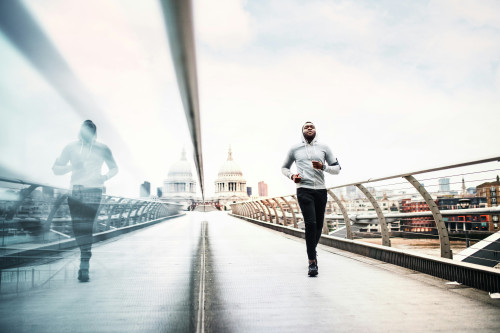
In just a few years, compression wear has gone from being a niche product for elite athletes to a staple in the wardrobes of runners, gym-goers, and weekend warriors across the United States. The snug, elastic fabric promises better performance, faster recovery, and improved body awareness—but how much of that is science, and how much is sensation? Here’s a closer look at how compression wear works and how you can make the most of it.

What Is Compression Wear?

Compression wear is made from elastic materials that apply gentle, graduated pressure to the muscles—tighter around the extremities and looser higher up the body. The idea is to support blood circulation, reduce muscle vibration, and provide a more stable feeling during movement.

You’ll find compression gear in many forms: socks, sleeves, shorts, tights, shirts, and even full-body suits. It’s used during workouts, competitions, and recovery sessions. In the U.S., it’s especially popular among runners, cyclists, CrossFit enthusiasts, and those recovering from injuries or surgeries.

Support and Stability During Training

One of the most noticeable effects of compression wear is the sense of support it provides. The tight fit can help reduce muscle oscillation caused by repetitive motion, which may lessen fatigue and the risk of minor injuries. Many athletes also report that compression garments help them maintain better posture and technique—particularly during running, lifting, or high-intensity training.

Compression wear can also enhance proprioception, or body awareness—the ability to sense how your body moves in space. This can be beneficial for improving coordination, balance, and movement efficiency.

Performance and Recovery—What Does the Research Say?

Scientific studies on compression wear show mixed results. Some research points to modest improvements in endurance and recovery, while other studies find little measurable difference. However, what’s consistent is that many athletes feel a positive effect—especially in reduced muscle soreness and quicker recovery after intense exercise.

The improved blood flow promoted by compression garments may help the body remove metabolic waste and deliver oxygen to muscles more efficiently. That doesn’t necessarily mean you’ll run faster, but you might feel less fatigued and more ready to train again the next day.

Comfort and Body Awareness

Beyond physical benefits, comfort and body perception play a big role. Modern compression fabrics are designed to be breathable, moisture-wicking, and flexible, allowing for a full range of motion. Many users describe the sensation as a “second skin” that enhances focus and control.

There’s also a psychological component: wearing gear that feels professional and performance-oriented can boost motivation and confidence. That mental edge can be just as valuable as any physical advantage.

How to Choose the Right Compression Wear

Fit is everything when it comes to compression wear. It should feel snug but not restrictive—tight enough to stay in place, yet comfortable enough to move freely. Try on different sizes and brands, as cuts and compression levels can vary widely.

  • For running: Choose tights or socks that support leg muscles and reduce vibration.
  • For strength training: Compression tops can help stabilize the shoulders and core.
  • For recovery: Lighter compression garments can be worn post-workout to promote circulation.

Also consider climate and activity level—opt for lighter, breathable fabrics for indoor or warm-weather workouts, and thicker, insulated options for outdoor training in cooler conditions.

Part of a Bigger Picture

Compression wear isn’t a magic solution, but it can be a valuable tool in your training routine. It offers support, comfort, and a heightened sense of body control—but it doesn’t replace proper technique, rest, or nutrition. Think of it as one piece of a holistic approach to fitness, where body and mind work together.

Ultimately, it’s about how it makes you feel: ready, focused, and connected to your body. And if a pair of compression tights helps you achieve that, it’s easy to see why this gear has become a favorite among athletes and fitness enthusiasts across the country.

Nature’s Inspiration: New Fibers Shaping the Future of Sportswear and Activewear
Discover how nature-inspired fibers are redefining performance, comfort, and sustainability in modern sportswear.
Sport
Sport
Sportswear
Sustainability
Innovation
Eco-Friendly Materials
Activewear Trends
3 min
From algae-based textiles to regenerated plant fibers, innovative materials inspired by nature are transforming the sportswear industry. Explore how these new fibers merge high performance with environmental responsibility, shaping the future of activewear.
Breanna Nelson
Breanna
Nelson
Sports Socks and Foot Care – The Overlooked Part of Healthy Training
Give your feet the attention they deserve for better performance and fewer injuries
Sport
Sport
Sports Socks
Foot Care
Training
Performance
Health
3 min
Strong training starts from the ground up. Discover how the right sports socks and proper foot care can improve comfort, prevent blisters, and support your overall performance. Learn why this often-overlooked part of your routine can make a big difference in your training results.
James Collins
James
Collins
Compression Wear: Support, Performance, and Body Awareness in One
Discover how compression wear enhances performance, recovery, and body awareness
Sport
Sport
Compression Wear
Sportswear
Fitness
Performance
Recovery
2 min
From professional athletes to everyday fitness enthusiasts, compression wear has become a go-to choice for improved support and comfort. Learn what science says about its benefits, how it affects your training and recovery, and how to choose the right gear for your needs.
Elijah Scott
Elijah
Scott
The Evolution of the Sports Bra: From Simple Beginnings to Technical Perfection
From a DIY invention to a high-tech essential redefining women’s athletic wear
Sport
Sport
Sportswear
Innovation
Women’s Fitness
Athletic Gear
Fashion History
7 min
Discover how the sports bra evolved from a simple homemade solution in the 1970s to a sophisticated piece of performance gear. Explore the innovations, cultural shifts, and design breakthroughs that turned it into a symbol of comfort, confidence, and empowerment for athletes everywhere.
Hailey Frank
Hailey
Frank
Give Your Old Workout Clothes New Life – Sustainable Ways to Reuse Them
Turn your worn-out activewear into something useful and eco-friendly
Sport
Sport
Sustainability
Activewear
Recycling
Eco-Friendly Living
Upcycling
3 min
Don’t throw away your old workout clothes just yet. Discover smart, sustainable ways to reuse, donate, or recycle your activewear—and make a positive impact on the environment while refreshing your fitness wardrobe.
Reid Turner
Reid
Turner
Plan Your Week: Outfits That Make Everyday Styling Easier
Simplify your mornings with outfit planning that keeps you stylish all week
Outfits
Outfits
Fashion
Style Tips
Wardrobe Planning
Everyday Outfits
Personal Style
5 min
Tired of last-minute outfit stress? Learn how to plan your weekly wardrobe so you can start each day feeling confident and put-together. From capsule combinations to smart accessories, discover how a little preparation can make everyday styling effortless.
Breanna Nelson
Breanna
Nelson
Dark Winter Colors Made Easy – How to Avoid a Heavy Look
Discover how to wear dark winter shades without losing lightness or style
Outfits
Outfits
Fashion
Winter Style
Outfit Tips
Color Coordination
Personal Style
6 min
Learn simple ways to balance deep winter tones with texture, layering, and subtle color accents. This guide shows you how to keep your outfits rich and cozy while avoiding a heavy or dull look.
James Collins
James
Collins
Materials and Comfort: How Fabric Affects the Way Clothes Feel Throughout the Day
Discover how different fabrics influence comfort, breathability, and performance in your everyday wardrobe
Outfits
Outfits
Fabrics
Clothing Comfort
Fashion Tips
Textile Materials
Everyday Wear
4 min
The fabric you wear can make all the difference in how you feel from morning to night. Learn how natural fibers, synthetics, and blends each affect comfort, movement, and durability—so you can choose clothes that truly suit your lifestyle.
Elijah Scott
Elijah
Scott