Materials and Silhouette: How Texture Shapes Lingerie Design


Materials and Silhouette: How Texture Shapes Lingerie Design
Lingerie is more than a practical layer beneath clothing—it’s a fusion of function, aesthetics, and emotion. The way a piece of lingerie feels against the skin, how it shapes the body, and how it moves with you all depend on the material and its texture. In recent years, designers have increasingly focused on merging comfort and form through innovative fabrics and intentional use of texture.
From Function to Feeling
Historically, lingerie served a clear purpose: to protect clothing from the body and provide modesty or warmth. But as fashion and textile technology have evolved, lingerie has become a design field in its own right. Today, it’s not only about support and fit but also about how the material influences the experience of wearing it.
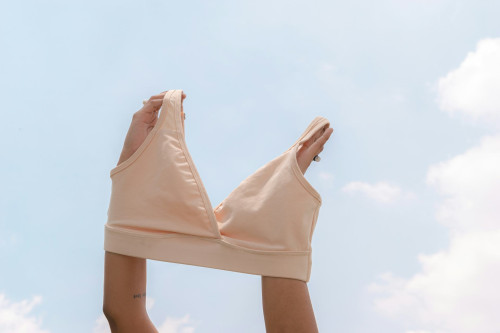
A smooth microfiber fabric can create a sense of lightness and freedom, while cotton offers breathability and familiarity. Lace and mesh add visual and tactile layers that evoke sensuality and self-expression. Texture becomes a language—one that communicates both comfort and character.
The Role of Materials in Shaping the Silhouette
The choice of material directly affects how lingerie shapes the body. Fabrics with elastane or nylon provide stretch and support, making them ideal for bras and shapewear where contour and lift are key. Natural fibers like cotton, bamboo, or silk adapt softly to the body, creating a more organic silhouette that moves without constriction.
Designers often combine materials to achieve the right balance. A bra, for instance, might use a firm woven fabric for structure and softer panels for flexibility and comfort. In this way, the material becomes part of the garment’s architecture rather than just its surface.
Læs også:


Texture as an Aesthetic Tool
Texture is not only about how something feels—it’s also about how it looks. A matte finish can convey a minimalist, modern aesthetic, while sheen and transparency create a more sensual impression. In lingerie design, texture is used to highlight or conceal, to create contrast, and to play with light and shadow.
Many contemporary collections explore subtle textures that remain invisible under clothing but give the wearer a sense of luxury and individuality. It’s a kind of invisible beauty—something felt more than seen.
Sustainable Materials and New Technologies
The rise of sustainable materials has also transformed lingerie design. Recycled nylon, organic cotton, and plant-based fibers like Tencel and modal offer new ways to create textures that are both comfortable and environmentally responsible.
At the same time, technologies such as 3D knitting and seamless construction are redefining how lingerie is made. Here, texture becomes an integral part of the garment’s structure—not an added layer, but a result of the manufacturing process itself. This allows for seamless transitions, zones of varying support, and a fit that feels almost custom-made.
When Comfort and Design Unite
Modern lingerie design moves beyond the idea that one must choose between comfort and beauty. Instead, it seeks to create a holistic experience where material, texture, and silhouette work together.
A piece of lingerie should not only look good—it should feel right. When texture follows the body’s movement and the material supports the desired shape, a balance emerges between function and feeling. That’s when lingerie becomes more than clothing: it becomes an extension of the body and a reflection of personal identity.
Læs også: