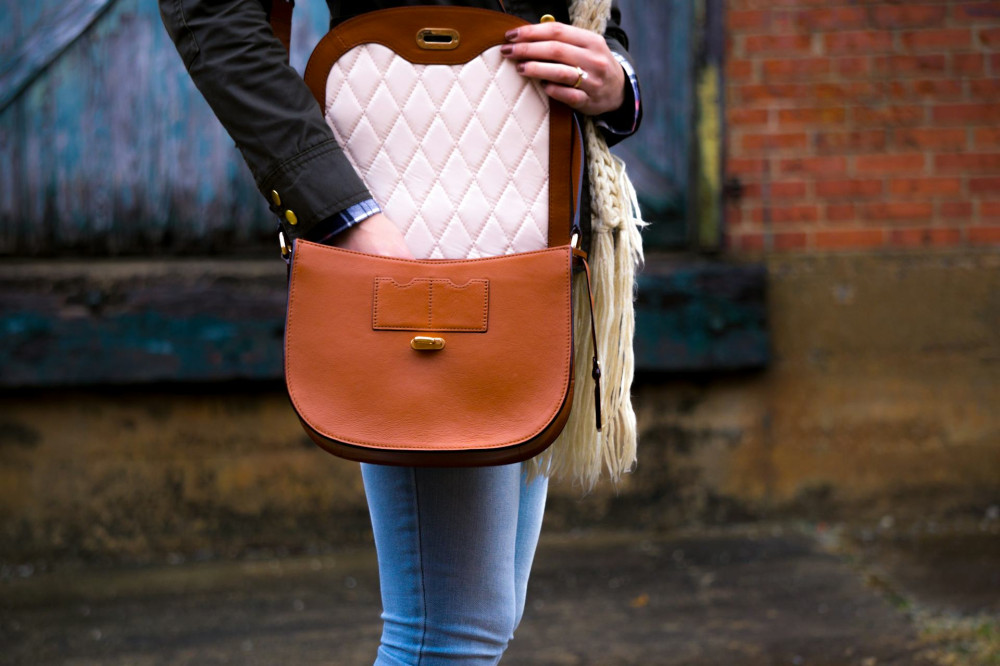
When It’s Time to Pass On Your Bag – Reuse or Donate Thoughtfully


When It’s Time to Pass On Your Bag – Reuse or Donate Thoughtfully
A bag can be a loyal companion for years—through school, work, travel, and everyday life. But eventually, the time comes to let it go. Maybe the zipper is worn, your style has changed, or you’ve found a new favorite. Instead of letting your old bag gather dust in the closet, you can give it new life through reuse or donation. Here’s how to pass it on thoughtfully—for the benefit of both the environment and others.
Assess the Bag’s Condition
Before deciding what to do with your bag, take a moment to evaluate its condition. Is it still functional, or does it need a little repair?
- Good condition: Bags without major wear, stains, or damage can easily be sold or donated.
- Lightly worn: A loose seam or broken zipper can often be repaired affordably, extending the bag’s life significantly.
- Heavily worn: If the bag is beyond repair, parts like buckles, straps, or zippers might still be reused in other projects.
By assessing the condition first, you can prevent usable bags from ending up in the trash.
Reuse – Give the Bag a New Home
If your bag is still in good shape, reuse is a great option. There are several ways to pass it on:
- Sell it online through platforms like eBay, Poshmark, or Facebook Marketplace. It’s sustainable—and you might earn a little extra cash.
- Swap or give it away in local Buy Nothing groups or community swap events. Many people appreciate finding a quality bag without buying new.
- Drop it off at a thrift store—organizations like Goodwill, The Salvation Army, or local charity shops often accept gently used bags.
When donating or selling, make sure the bag is clean and empty. A small effort that makes a big difference for the next owner.
Læs også:


Donate with Care
Donating can be a meaningful way to give your bag a second life—especially if it can help someone in need. Many charitable organizations and community programs accept bags for various purposes:
- Women’s shelters and homeless outreach programs often need handbags, backpacks, and duffels for people who must leave home quickly.
- School supply drives and youth programs can use backpacks and sports bags for children and teens.
- Disaster relief and international aid organizations sometimes collect bags to send to communities in crisis.
Always check what the organization currently needs—some accept only certain types or sizes of bags.
Get Creative with Upcycling
If your bag is too worn to be reused, you can still think creatively. Materials like leather, canvas, and metal hardware can be repurposed:
- Turn leftover material into a wallet, keychain, or small pouch.
- Use straps and buckles to repair other bags or as decorative elements.
- Drop off leather and textiles at recycling centers that handle material recovery.
This way, your bag becomes part of a circular system where resources are used to their fullest.
Make It a Habit
Passing on bags thoughtfully isn’t just a one-time cleanup—it can become part of your everyday mindset. When buying new, consider quality, durability, and repairability. And when decluttering, think reuse before disposal.
Small, mindful choices add up—helping reduce waste, conserve resources, and bring joy to someone who can make good use of what you no longer need.
Læs også: