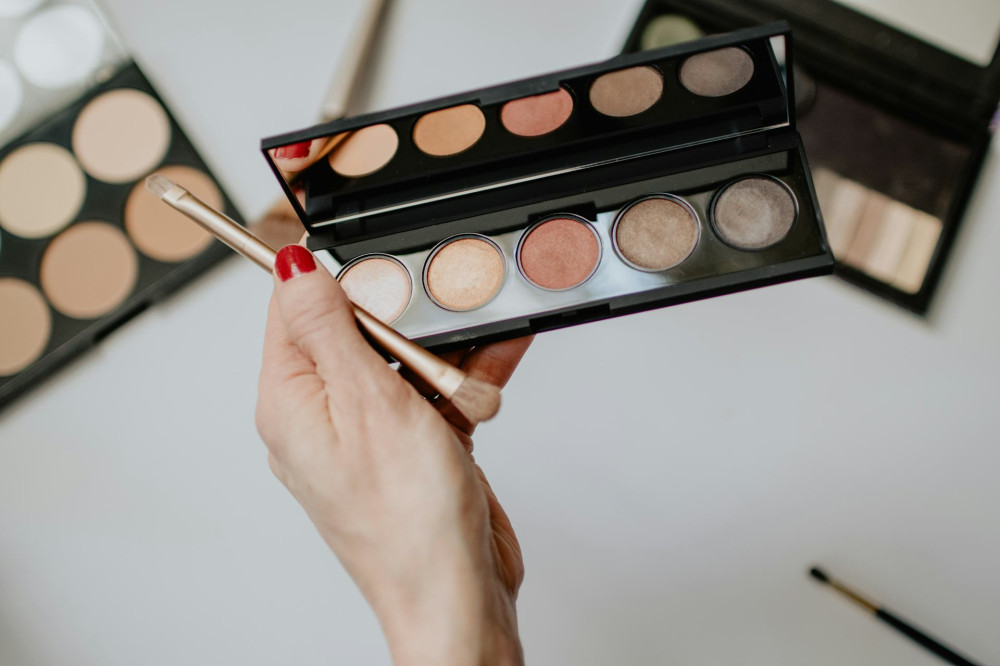
The Future of Beauty: Technological Materials and Formulas Transform the Industry
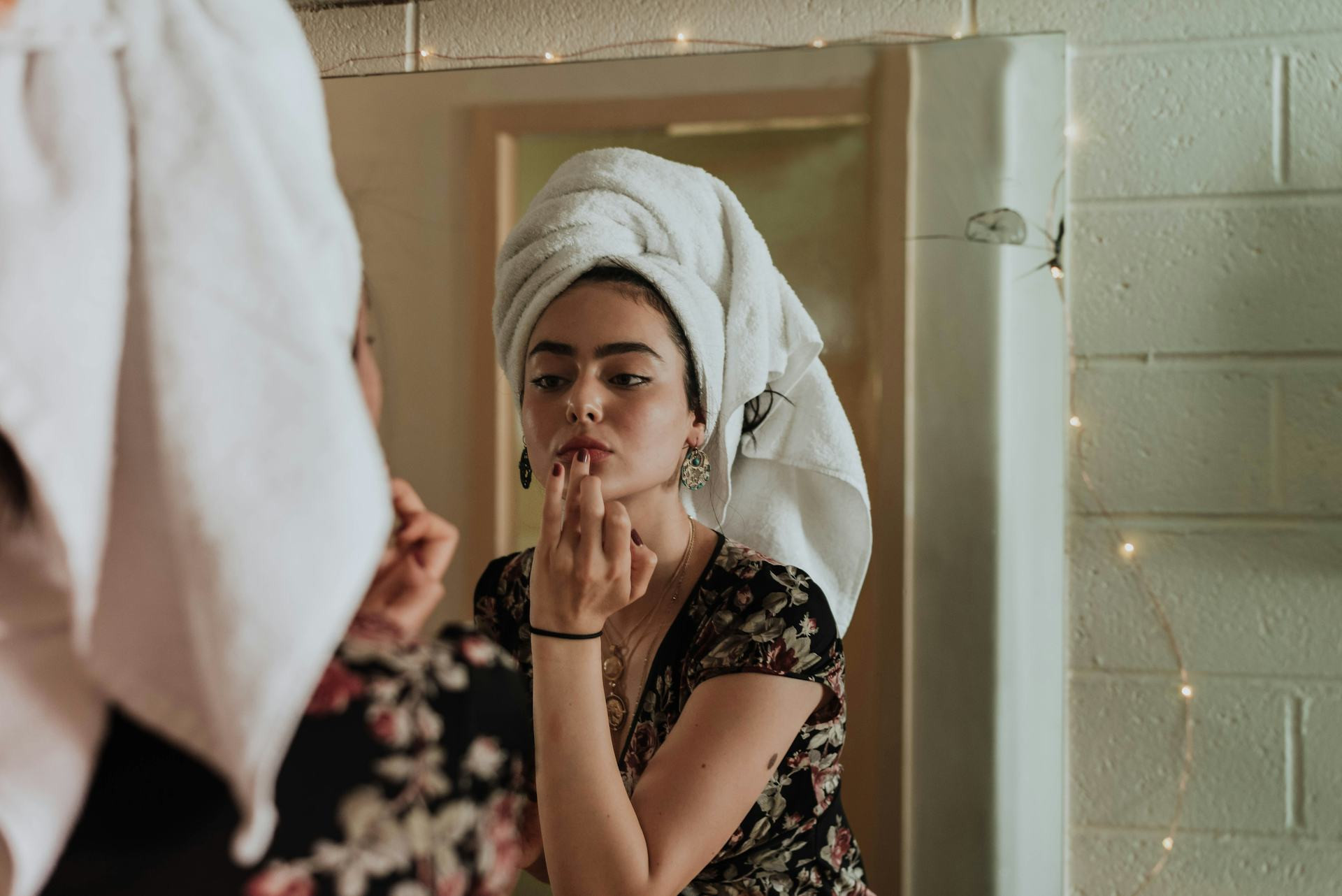
The Future of Beauty: Technological Materials and Formulas Transform the Industry
The beauty industry is undergoing a technological transformation unlike anything seen before. From lab-grown ingredients to AI-driven personalization, innovation is reshaping not only how products are made but also how consumers experience and define beauty. In the United States, where wellness, sustainability, and individuality drive consumer choices, technology is becoming the bridge between science and self-expression.
From the Lab to the Vanity
Developing a new skincare product once took years of trial and error. Today, artificial intelligence can analyze thousands of ingredients and predict their effects on different skin types in a matter of hours. This accelerates research and helps brands create safer, more effective formulas while minimizing the risk of irritation or allergic reactions.
Biotechnology is also revolutionizing ingredient sourcing. Instead of harvesting active compounds from plants or animals, scientists can now cultivate them in labs using yeast or bacterial cultures. This approach reduces environmental impact and ensures consistent quality—an important factor for U.S. consumers increasingly concerned about ethical and sustainable production.
Læs også:

Personalized Beauty Powered by Data
Personalization is one of the most powerful trends shaping the American beauty market. With the help of skin scanners, mobile apps, and even genetic testing, consumers can now access products tailored to their unique biological and lifestyle needs. Algorithms can assess hydration levels, pigmentation, and elasticity, then recommend or even create a formula designed specifically for that individual.
Some brands are experimenting with “on-demand” production, where a serum or moisturizer is mixed in-store or at home based on real-time skin data. This fusion of technology and customization is redefining what it means to have a skincare routine—making it more scientific, precise, and personal.
Sustainability as a Driver of Innovation
In the U.S., sustainability is no longer a niche concern—it’s a core expectation. Technology is helping brands meet these demands through smarter materials and production methods.
- Refillable and biodegradable packaging is becoming standard across product lines.
- Waterless formulas reduce shipping weight and waste.
- AI-optimized manufacturing minimizes raw material use and energy consumption.
The concept of “circular beauty” is also gaining traction, with companies repurposing byproducts from the food industry—like coffee grounds, citrus peels, or algae—into active skincare ingredients. This not only reduces waste but also creates a new narrative around conscious luxury.
Sensorial Technology and the Experience of Beauty
Tomorrow’s beauty products will not only deliver results—they’ll respond to their environment. Emerging sensor technologies allow creams to release more moisture when the air is dry or perfumes to adjust their scent based on body temperature. “Smart makeup” that adapts to lighting conditions or skin tone is already in development, merging aesthetics with interactivity.
For American consumers who value both performance and experience, this evolution represents a new kind of luxury—one that feels alive, responsive, and deeply personal.
Ethics and the Future Consumer
With innovation comes responsibility. As beauty becomes more data-driven, questions arise: Who owns the personal data used to create customized products? How transparent are biotech production methods? And where is the line between cosmetics and medical treatments when formulas become increasingly advanced?
U.S. consumers are becoming more aware of these ethical dimensions. Brands that succeed in the future will be those that combine technological sophistication with transparency, inclusivity, and trust.
A New Era of Beauty
The convergence of technology, science, and sustainability marks the beginning of a new era for beauty. In the United States and beyond, the future of beauty is not just about following trends—it’s about embracing data, responsibility, and individuality.
Ultimately, it’s not only about looking good—it’s about understanding how beauty can be created smarter, greener, and more human.
Læs også: