Function in Form: How Outdoor Shoe Design Reflects Their Purpose

Function in Form: How Outdoor Shoe Design Reflects Their Purpose
When you lace up a pair of outdoor shoes, you’re stepping into a piece of engineering designed for movement, protection, and performance. Every stitch, sole, and material choice serves a purpose—whether it’s hiking rugged mountain trails, running forest paths, or navigating city streets in unpredictable weather. Outdoor footwear is where function meets form, and design becomes a tool for how we move through the natural world.
From Terrain to Design – The Shoe as a Tool
An outdoor shoe is, first and foremost, a piece of equipment. It must protect the foot, provide stability, and ensure traction on varied surfaces. That’s why the design process always begins with one question: What kind of terrain is it built for?
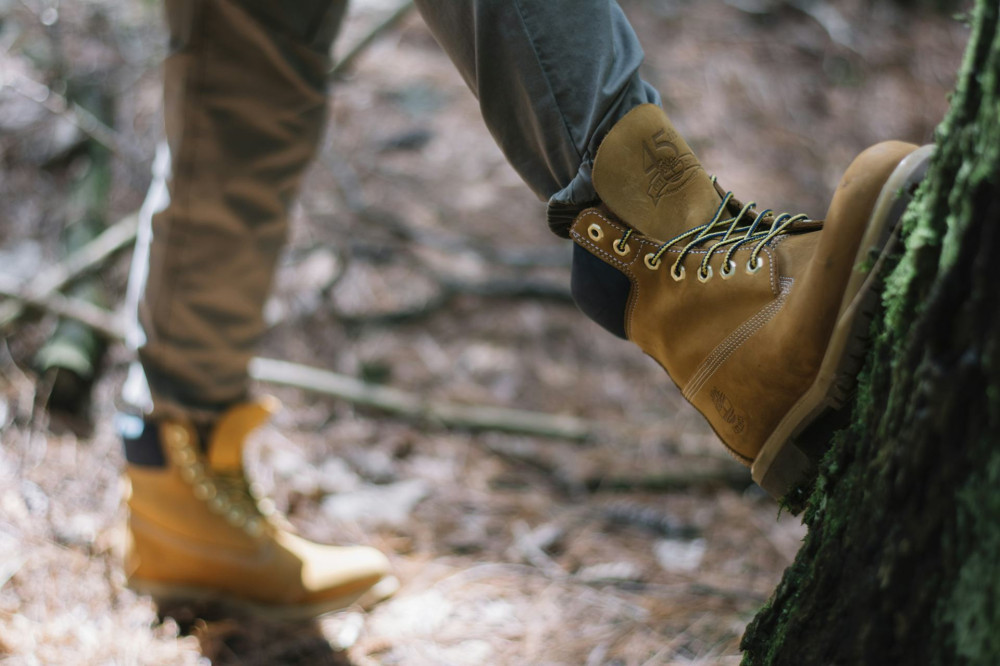
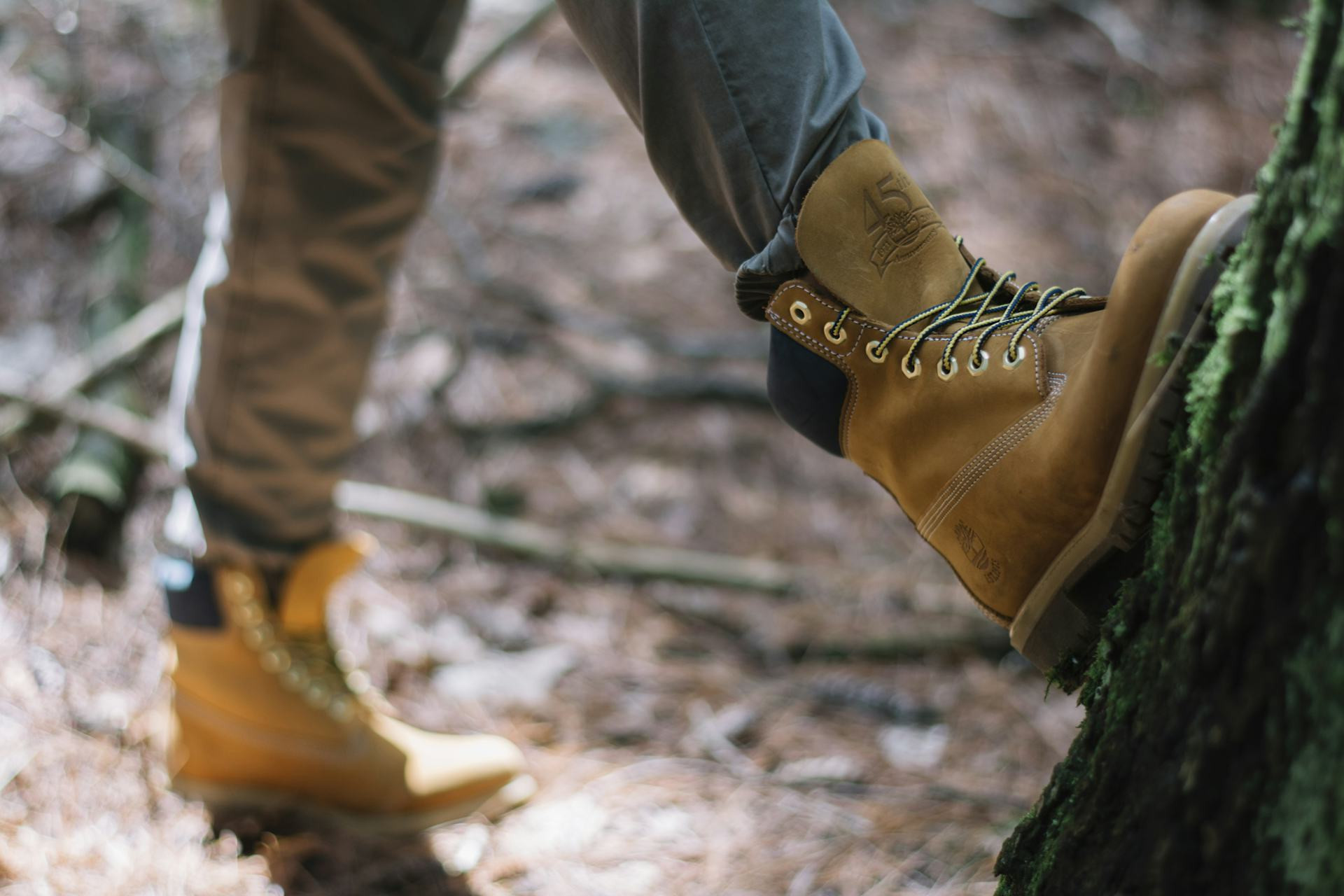
- Hiking boots feature stiff midsoles for support on uneven ground and uppers made from durable materials like leather or reinforced synthetics.
- Trail running shoes are lighter and more flexible, with aggressive tread patterns that grip mud, gravel, and roots.
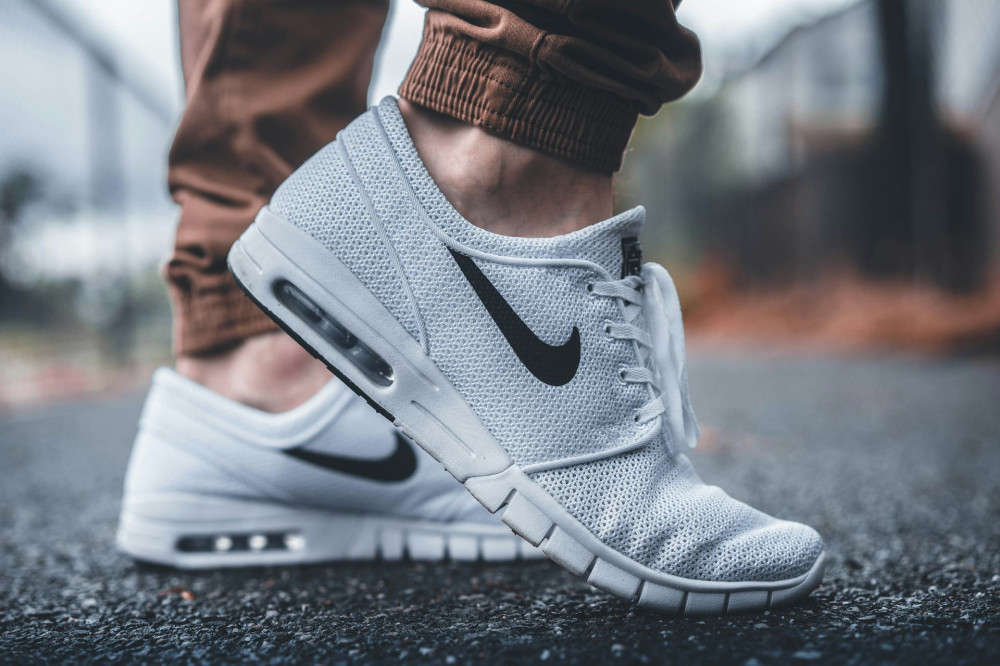
- Everyday outdoor shoes aim for a balance between comfort and toughness, making them suitable for both urban commutes and weekend adventures.
In each case, the design reflects not just aesthetics but a careful balance of functional needs.
Læs også:

Materials with a Mission
The choice of materials determines how a shoe performs in the field. Modern outdoor footwear blends natural and technical fabrics to achieve the right mix of breathability, waterproofing, and durability.
- Waterproof membranes such as Gore-Tex or eVent keep moisture out while allowing sweat to escape—ideal for wet or cold conditions.
- Mesh and lightweight nylon dominate shoes made for hot climates, where ventilation takes priority over waterproofing.
- Rubber compounds in the outsole are tuned to the terrain: softer rubber grips slick rock better, while harder rubber lasts longer on pavement and gravel.
Even the laces, eyelets, and heel counters are designed with purpose—to secure the fit, support movement, and prevent pressure points.
Ergonomics and Motion
A well-designed outdoor shoe works with your body, not against it. It supports the foot while allowing natural movement, making ergonomics a central part of the design philosophy.
Many brands use 3D foot scans and biomechanical analysis to understand how weight shifts during walking and running. The result is footwear with arch support, cushioning, and flex zones that mirror the foot’s motion.
Some models vary the heel-to-toe drop—the height difference between heel and forefoot—to influence stride mechanics. A lower drop encourages a more natural gait, while a higher drop can reduce strain on the Achilles tendon during long treks.
Design That Speaks to the Eye—and the Mind
While function drives design, aesthetics still matter. Colors, shapes, and details communicate the shoe’s purpose. A sturdy hiking boot in earthy tones signals durability and connection to nature, while a sleek trail runner in bright hues conveys speed and energy.
Visual design also shapes perception. A shoe that looks stable often feels more stable before you even take a step. Designers use this psychological effect intentionally, aligning visual cues with functional identity.
Sustainability as a Design Principle
Today, outdoor footwear design is as much about responsibility as performance. Many companies are experimenting with recycled materials, plant-based fabrics, and repairable constructions.
Durability itself is a form of sustainability—a shoe that lasts for years reduces waste and consumption. As a result, the industry is shifting away from fast-changing trends toward timeless designs where longevity and function go hand in hand.
Where Form and Function Converge
The best outdoor shoe is the one you hardly notice. It supports, protects, and adapts to your movement without drawing attention to itself. That’s where form and function truly merge—when design becomes an experience rather than an appearance.
Whether you’re hiking the Rockies, running forest trails, or simply looking for a shoe that can handle everyday life in all weather, outdoor footwear tells a story of purpose. It’s built to move you forward—securely, comfortably, and in harmony with the ground beneath your feet.
Læs også: