Forget the Size Numbers – Find Clothes That Truly Fit You


Forget the Size Numbers – Find Clothes That Truly Fit You
We’ve all been there: you grab two pairs of jeans in the same size, but one fits perfectly while the other barely zips. Or you order your “usual” size online, only to find it’s too tight in the shoulders or too loose at the waist. Clothing sizes can be misleading — they give the illusion of consistency, but in reality, they vary wildly. Instead of letting a number on a tag define what you wear, focus on finding clothes that truly fit your body, your lifestyle, and your confidence.
Sizes Aren’t Standardized
In the U.S., we talk about “small,” “medium,” and “large,” or numeric sizes like 6, 10, or 14 — but there’s no universal standard behind those labels. A size 8 from one brand might fit like a 6 or a 10 from another. Each company designs for its own target customer, and fit depends on everything from fabric and cut to where the garment was made.
That’s why it rarely makes sense to chase a specific number. What matters most is how the clothing feels and looks on you. Try it on, move around, sit, stretch — notice whether it’s comfortable and allows you to move naturally.
Know Your Body, Not Just Your Size
Finding clothes that fit starts with understanding your own body. Take your measurements with a tape measure — bust or chest, waist, hips, inseam, and shoulder width. These numbers give you a much better starting point than guessing based on a size label.
Once you know your measurements, you can compare them to a brand’s size chart. Many online stores now include detailed measurement guides — use them. And remember, bodies change over time. A few inches more or less doesn’t define your worth, but it can make a big difference in how your clothes fit and feel.
Focus on Fit and Proportion
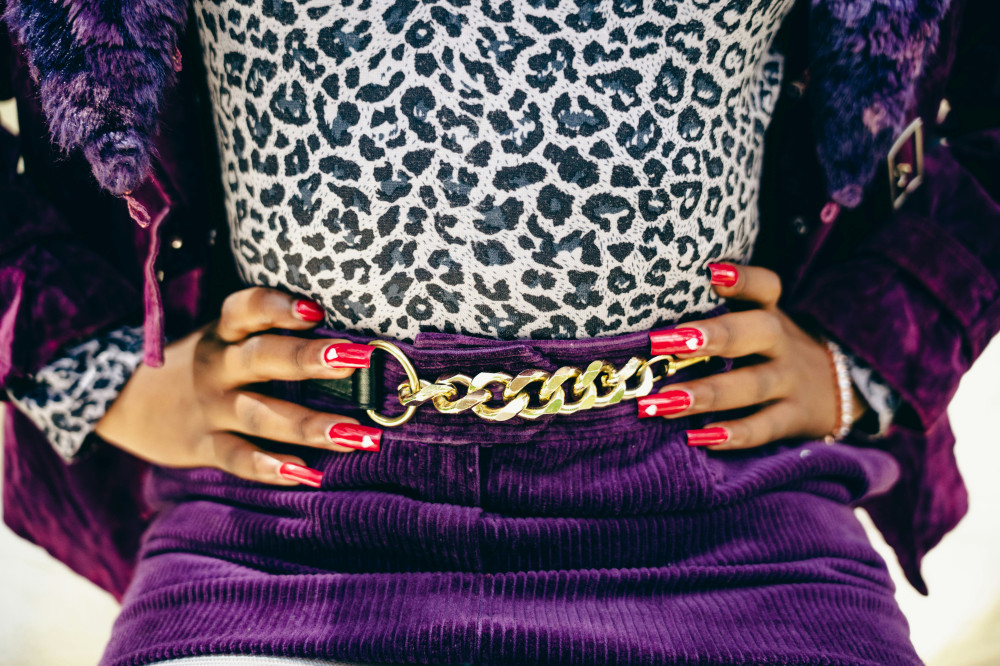
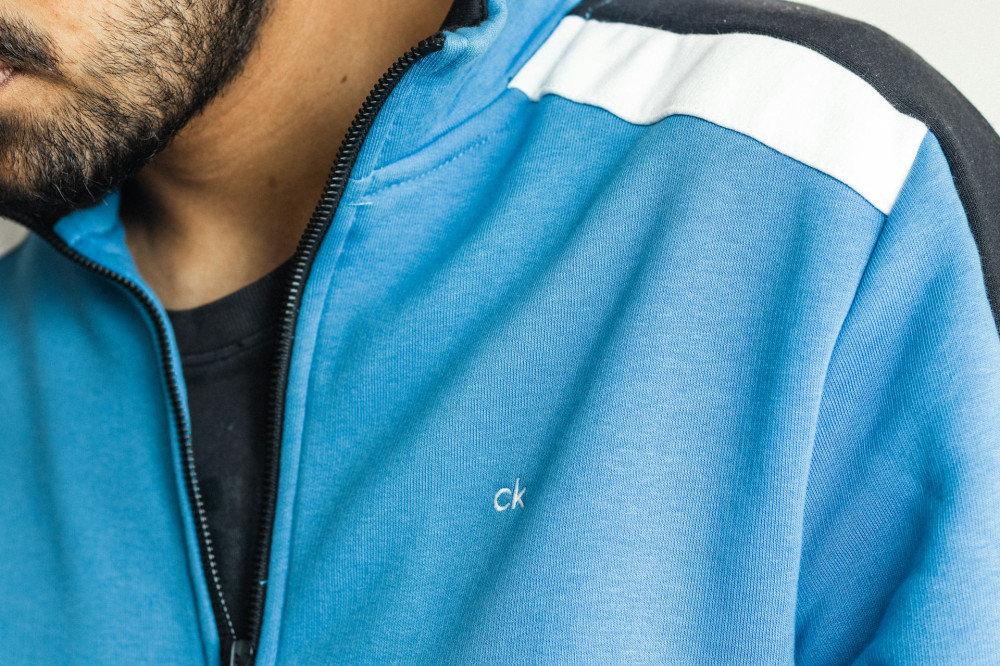
A great fit isn’t just about whether something “fits” — it’s about how it complements your proportions. A shirt should follow your shape without pulling or gaping, and the shoulder seams should align with your natural shoulder line. Pants should sit comfortably at your waist and fall to the right length for your legs — not the manufacturer’s idea of average.
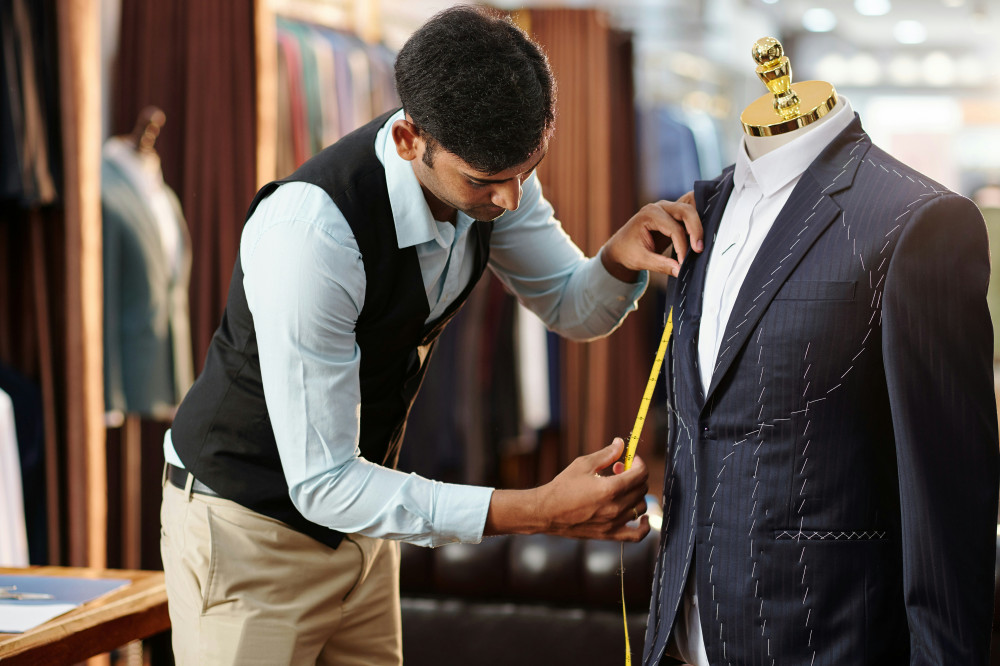
If you often find clothes that are almost right, consider visiting a tailor. Small adjustments to length, waist, or sleeves can transform an ordinary piece into something that feels custom-made.
Stop Comparing — Find Your Own Style
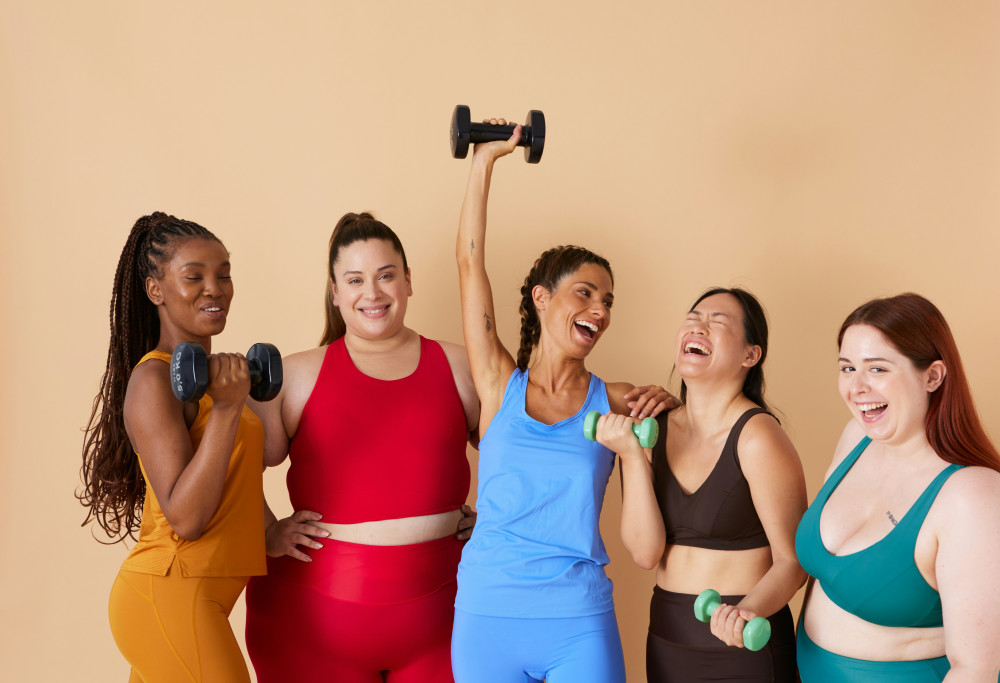
Many people cling to a certain size because they associate it with how they think they “should” look. But clothing isn’t about fitting into a number — it’s about feeling good in your own skin. When you stop obsessing over the tag, you open yourself up to discovering what truly suits you.
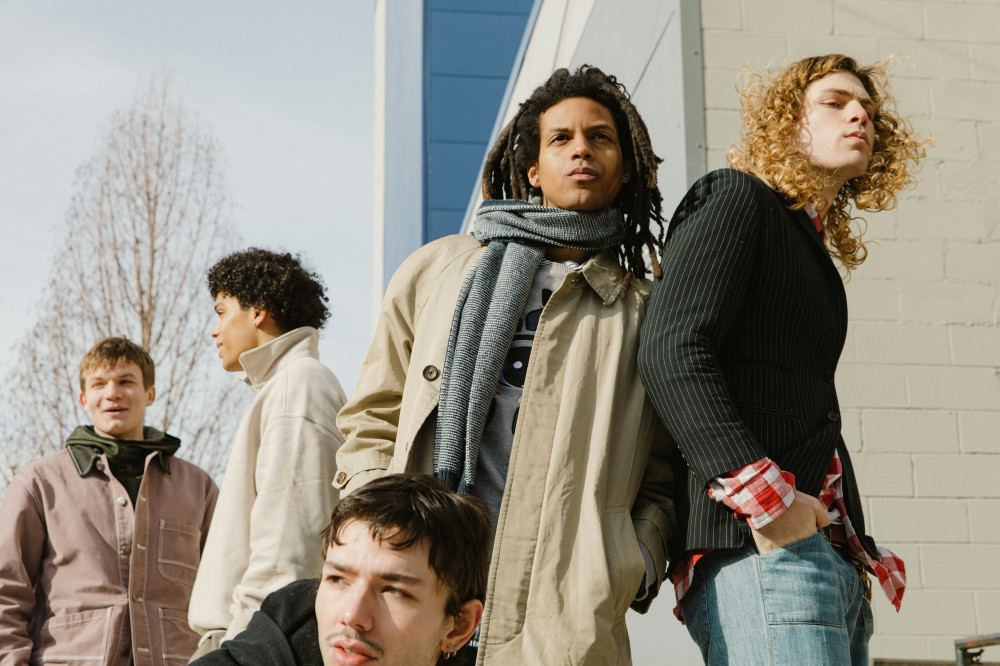
Experiment with different cuts and brands. Some labels design for athletic builds, others for curvier or taller frames. It’s completely normal to wear different sizes depending on the brand. The only thing that matters is how you feel in what you’re wearing.
Fabric and Quality Matter More Than the Tag
Two shirts labeled the same size can feel completely different because fabric makes a huge difference. Stretch denim, for example, will fit differently than rigid cotton. Wool can mold to your body over time, while linen offers a looser, breezier fit. Pay attention to quality and comfort rather than just the number on the label.
Try on clothes made from different materials and notice how they move with you. Understanding what fabrics work best for your body and lifestyle can make shopping much easier — and more enjoyable.
Læs også:



Clothes That Fit Boost Confidence
When your clothes fit well, you feel it — and it shows. You stand taller, move more freely, and project confidence. The goal isn’t to squeeze into a certain size, but to find pieces that make you feel like yourself.
So next time you’re in the fitting room, ignore the number on the tag. Look in the mirror, trust how you feel, and choose what makes you comfortable and confident. That’s the only size that truly matters.
Læs også: