Does Your Child Need Glasses? Signs Every Parent Should Know

Does Your Child Need Glasses? Signs Every Parent Should Know
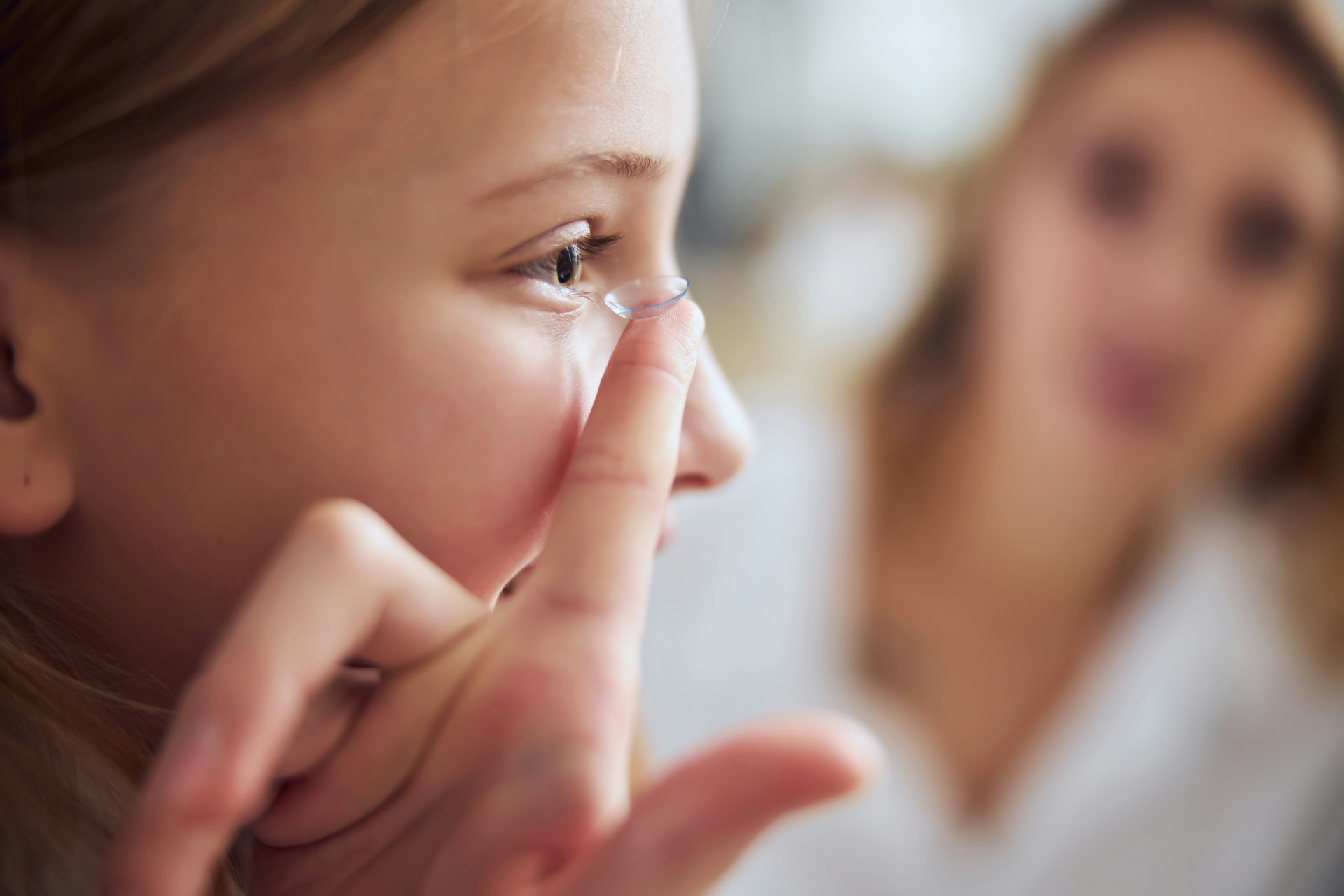
Many children don’t realize they have vision problems until they start school—often because they’ve learned to adapt. They might sit closer to the TV, guess words while reading, or avoid activities that challenge their eyesight. As a parent, you can watch for certain signs that may indicate your child needs glasses.
When Vision Affects Everyday Life
A child’s vision continues to develop throughout childhood, and undetected vision issues can affect learning, focus, and confidence. If your child often complains of headaches, rubs their eyes, or seems unusually tired after school, it could be a sign that their eyes are working too hard.
Some children may also become quieter in class or lose interest in reading and drawing because they subconsciously associate these activities with discomfort. That’s why even small changes in behavior are worth paying attention to.
Common Signs Your Child May Need Glasses
Here are some specific signs to look out for:
- Squinting to see clearly, especially when looking at the board, TV, or distant objects.
- Sitting very close to screens or holding books and tablets right up to their face.
- Frequent headaches or eye strain, particularly later in the day.
- Difficulty concentrating on reading or homework.
- Occasional eye crossing or drifting, which may suggest the eyes aren’t working together properly.
- Clumsiness or poor coordination, such as tripping often or struggling with ball games.
If you notice several of these signs, it’s a good idea to schedule an eye exam with an optometrist or pediatric eye doctor.
Vision Problems Can Show Up in Different Ways
Not all children with vision issues experience the same symptoms. Some may be nearsighted (having trouble seeing far away), while others are farsighted (struggling to focus up close). There are also conditions where the eyes don’t work together as they should, leading to double vision or difficulty judging distances.
For younger children, vision problems can be especially hard to detect because they don’t know what “normal” vision looks like. That’s why regular eye exams are important—starting in preschool and continuing as your child grows, or sooner if you notice any concerns.
What to Expect During a Child’s Eye Exam
A children’s eye exam is simple and painless. The optometrist uses kid-friendly methods, such as asking your child to identify pictures or letters of different sizes. The test checks how well your child sees at various distances and whether their eyes work together properly.
If glasses are needed, the optometrist will help choose the right prescription and frame style for your child’s age and activities. Most kids adjust quickly—especially once they realize how much clearer and more comfortable the world looks.
Helping Your Child Feel Confident with Glasses
Wearing glasses can be a big change for a child. You can help by making it a positive experience: let your child pick out their frames, praise them for remembering to wear their glasses, and remind them that many adults and celebrities wear glasses too.
It’s also helpful to talk with teachers and caregivers so they can ensure your child sees well in all settings—whether in the classroom, on the playground, or during sports.
Læs også:



Clear Vision, Confident Kids
Good vision is essential for your child’s learning, development, and self-esteem. When your child can see clearly, it’s easier to stay engaged in school, enjoy reading, and participate fully in play and sports.
If you suspect your child may be struggling to see, don’t wait. A simple eye exam can make a world of difference—and help your child see life in a whole new way.
Læs også: